

フェイト/ゼロ
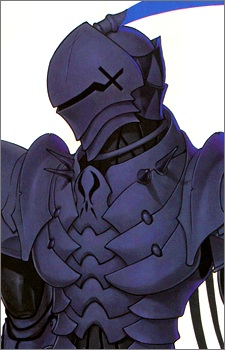
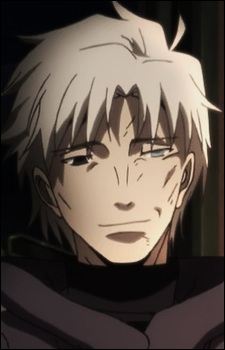
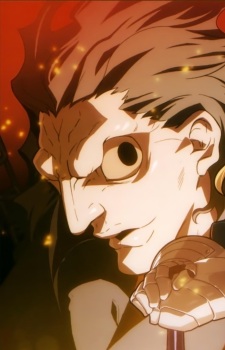
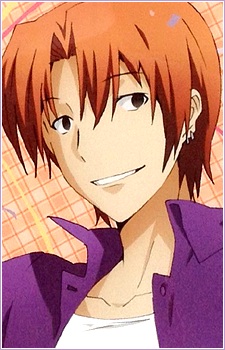
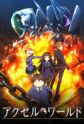
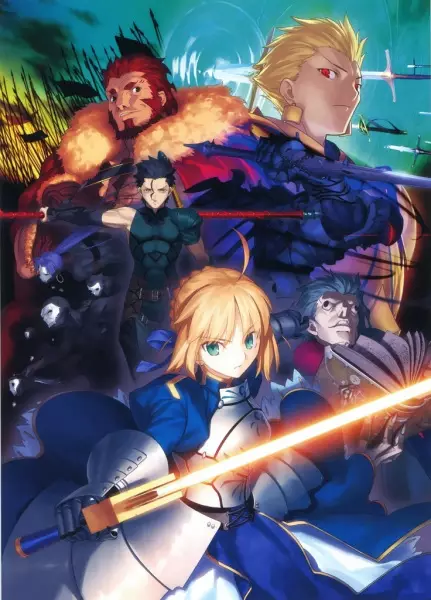
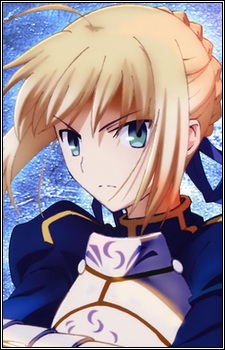
With the promise of granting any wish, the omnipotent Holy Grail triggered three wars in the past, each too cruel and fierce to leave a victor. In spite of that, the wealthy Einzbern family is confident that the Fourth Holy Grail War will be different; namely, with a vessel of the Holy Grail now in their grasp. Solely for this reason, the much hated "Magus Killer" Kiritsugu Emiya is hired by the Einzberns, with marriage to their only daughter Irisviel as binding contract. Kiritsugu now stands at the center of a cutthroat game of survival, facing off against six other participants, each armed with an ancient familiar, and fueled by unique desires and ideals. Accompanied by his own familiar, Saber, the notorious mercenary soon finds his greatest opponent in Kirei Kotomine, a priest who seeks salvation from the emptiness within himself in pursuit of Kiritsugu. Based on the light novel written by Gen Urobuchi, Fate/Zero depicts the events of the Fourth Holy Grail War—10 years prior to Fate/stay night. Witness a battle royale in which no one is guaranteed to survive. [Written by MAL Rewrite]
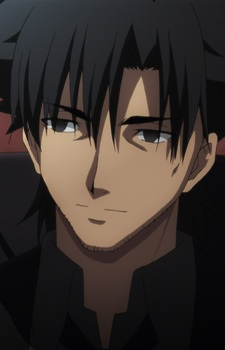
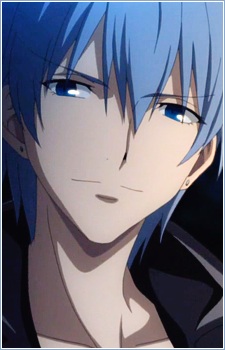
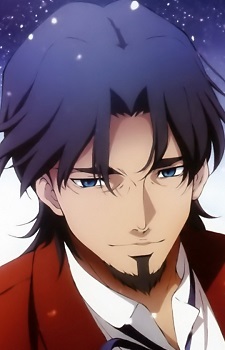
Main
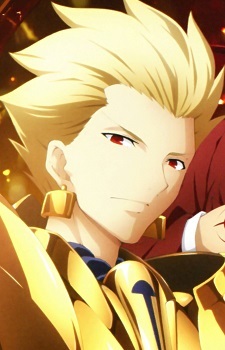
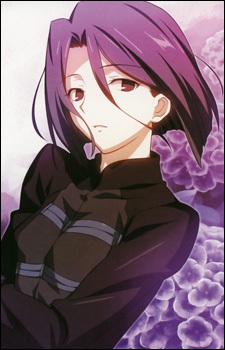
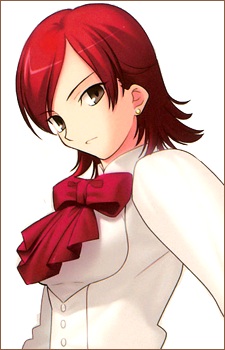
Main
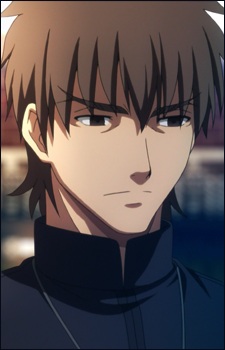
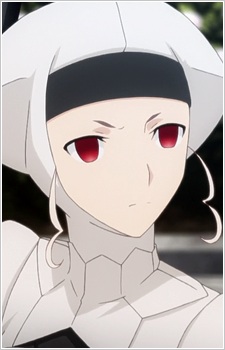
Main
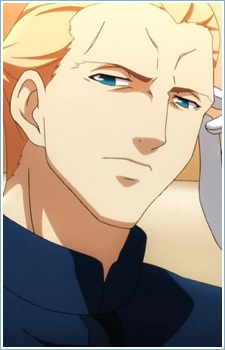
Main
Main
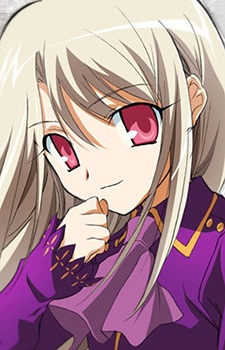
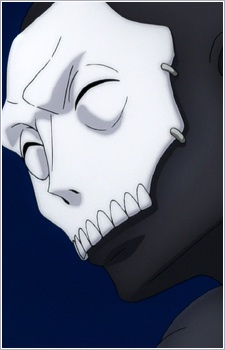
Supporting
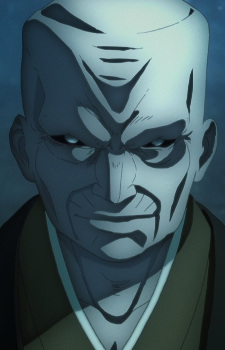
Supporting
Supporting
Supporting
Supporting
Supporting
RakiRaki
March 10, 2014
Fate/Zero is a show as confident in its storytelling as it is confused in its aims. After many tries, I've filed it away still unable to describe what point Urobuchi is trying to make with this. The closest I've come is that it's a condemnation of idealism, but this is only weakly supported by the text, and I suspect that impression is more a function of it being a prequel to a visual novel that thoroughly affirms the great moral significance of ideals. In that light, Fate/Zero's grim, cynical ending merely serves a narrative purpose. This doesn't make it unwatchable or even bad, but itdoes make it a fairly predictable addition to the Fate continuity—if you've read Fate/stay night, this will be exactly what you expect it to be and not much more than that. Still, that isn't to say that Fate/Zero is boring. The art and animation are sharp and precise, Urobuchi's excellent storytelling makes Fate/Zero as thrilling as anything Code Geass has to offer. The characters, themes, and mood of Fate/stay night are flawlessly transferred to this show; Kotomine remains among the best antagonists I've ever seen in a genre show, and Kiritsugu's backstory does him justice, bringing to life that strange, cold silhouette hanging over Shirou's every action in the VN. Urobuchi's Saber is somewhat one-dimensional—though there are certainly less attractive sides to the character than the whole honorable knight routine—but then it isn't really her story. It's also tough to complain when she receives such a heartbreaking character moment at the end of the show, dragging her down to the nadir she needs to be mired in to set up her for Fate/stay night. Without giving away too much, it's a deeply affecting portrayal of Saber's lowest ebb, anticipating the sequel in which she is finally rewarded for her martyrdom, for all the years that she shouldered the shame and sin of her people in the name of justice and honor. Nonetheless, you'd be forgiven for thinking that she's little more than a gender-swapped Lancer after watching this. I suspect the problem with Fate/Zero is that Urobuchi does not write characters in the same way that Nasu does and there's an odd disconnect there. This wasn't an issue in Madoka because it was purely an Urobuchi creation, but it hurts Fate/Zero simply because Fate/stay night, for all its many faults, had some extremely distinctive character writing. Whenever Kotomine or Kiritsugu are onscreen, this show comes to life. Kotomine is a devilish twist on the fairly played-out some-men-just-want-to-watch-the-world-burn Joker-type villain in that he's wracked with confusion and contradiction—a man who became a priest just to avoid confronting his darkest impulses. Watching him come to terms with himself over the course of Fate/Zero is absolutely thrilling. Some of his dialogue with Gilgamesh might be a little on-the-nose, but the tendency to tell rather than show is a trait Urobuchi shares with Nasu, and it doesn't detract from the intrigue. Unfortunately, the new characters, as well as those without any backstory established for them in Fate/stay night, are all exceptionally dull and predictable by comparison. Kariya is a character with plenty of potential that was entirely squandered; the same goes for Tokiomi and Aoi, whose stories only affected me because of my familiarity with Rin and Sakura and the legacy left for them. Kayneth and Sola-Ui are indescribably bland villains—so bland that Urobuchi apparently didn't even bother to resolve their storyline with Lancer. I'm darting around the main point here, though; these plot devices masquerading as characters are nothing compared to this show's attempt to introduce a pair of legitimately developed characters in Rider and Waver. These two are almost entirely superfluous besides their involvement in plot development—especially Waver—and are by turns irritating, predictable, or both. Urobuchi is not a very funny writer, and though there's nothing on the level of Madoka's "girls shouldn't like girls" gag, Rider and Waver's painful attempts at lightening the mood in the early episodes of the show come off as dull and obvious. The show starts taking them more seriously later on, but this doesn't improve things, as I'm fairly sure that they have the same conversation about twenty times—Waver's inferiority complex acts up, Rider makes some gruff, paternal gesture to stop his navel-gazing and cheer him up, and they ride off on their chariot. The principal problem is that Waver's arc is damnably obvious. The first time you see him, you just know that he's going to end up finding the respect he wants by entering the Grail War and stepping up to the challenges it presents. That's exactly what happens, and though that might be forgivable if that story was told in a way that you don't expect, it just isn't. The ponderous tone of the Fate universe means that we spend a painstakingly long time listening to these two repeat themselves, so if you hadn't figured out where Waver's character was headed after the first few scenes with him and Rider, don't worry—you'll get a hundred more opportunities to witness this shallow development again and again. Waver's story has no particular thematic congruence with the rest of Fate, nor a deep connection with the other characters. At this stage, he's just some kid, and the focus on him dilutes Fate/Zero far too much. Rider is significantly better, though he still comes off as a little superfluous thanks to his interactions with Waver, and never really ascends beyond the level of archetype despite some interesting backstory. He's an obvious foil to Saber, a Nietzschean font of vitality living selflessly by living selfishly, indulging in his passions and laughing all the way to Valhalla. In other words, he's Gilgamesh, Saber's preexisting foil, without the potent streak of nihilism that made Gilgamesh that much more unpredictable. Rider justifies his behaviour through a belief in master morality and rational self-interest; Gilgamesh doesn't even think such things are worth justifying, and that's what makes him the more interesting character. To give Rider his due, the idea of a journey to seek out an impossible ideal—his principal motivation—has some thematic weight in the broader context of the Fate universe, but there's no real point to him as he relates to the other characters. There is one thing that he contributes to the dialogue: his beliefs mean that he can challenge Saber on her principles, while Gilgamesh is devoid of principles in the first place. It would simply be out-of-character for Gilgamesh to question Saber. Gilgamesh sees the tragic beauty of Saber's condition without necessarily endorsing or dismissing it—he merely beholds it as it is, caring only if it serves his own interests. Still, with the emergence of plot developments at the end of Fate/Zero that throw Saber into despair and self-doubt, it's questionable whether Rider even needed to challenge her, especially when she already has Kiritsugu's cold utilitarianism to contend with. The overarching problem remains that the dialogue about idealism was already set up by Fate/stay night and Fate/Zero largely just mimics it. The addition of Rider to that dialogue seems like an afterthought. There's also the matter of Caster and Ryuunosuke, who are either deployed to meet Fate/Zero's edgy grimdark quota or played for laughs; it might not surprise you that I didn't partake in any. That said, they are far more interesting antagonists than Kayneth and his phoned-in villainous arrogance, and I appreciated Caster mistaking Saber for Joan of Arc—quite a clever and appropriate little touch—but in many scenes, they're merely buffoonish and pad out the show even further. In a universe so concerned with little details and thematic cohesion, characters ought not to be playing such shallow roles. The best episodes of Fate/Zero are the ones that cut out the fluff; Kiritsugu's backstory, told over the course of two episodes, is particularly good—revealing any of it would spoil it, even if you've read Fate/stay night. It's baffling that Urobuchi is so very good when he's dealing with someone else's characters, but is incapable of introducing any new character here whose purpose and relevance I can fully describe beyond their role in the plot—Rider is the lone exception, and even with him, it's pretty shaky. There is, however, one episode of Fate/Zero that is definitely superfluous, and yet I can't help but enjoy it. That episode is Rin's Adventure, a sweet little diversion around midway through the show that focuses on one of Fate/stay night's best characters, Tohsaka Rin. In Fate/Zero, she's still an elementary schooler, and it's a real treat to see here the beginnings of the sharp-tongued, reluctant heroine she would become. Ideally, one would read Fate/stay night before watching this, but for those unwilling to slog through a visual novel, this is better directed and more accessible than Studio DEEN's Fate/stay night. It's good rather than great, but it's entertaining above all. If you like tight plotting, high production values, and men talking in dark, earnest tones, this is worth a watch.
Supporting
NYanimefan
April 13, 2014
In almost all forms of media, spinoffs, sequels, and prequels all have one thing in common. They are a crap shoot. Most of the time these spinoffs suck. Fortunately in anime, that is not always the case. In fact there are several times where I find myself enjoy the sequel/ prequel better than the original. However this anime is true rarity, in which the prequel just about outdoes the original in virtually every aspect. This review focuses solely on the first season of fate/zero. I'll write a separate review for season 2. ___________________________________________ O.K. here is the actual review with my IADb rating system: Story: FateZero takes place ten years before the events of Fate/stay night, and Chronicles the 4th Holy Grail War. The whole grail war consists of seven teams, with each team consisting of a master and a servant. These servants are heroic spirits that fight each other to the death, with the last servant standing winning the power for him and his master to make any type of wish on the holy grail. After failing to win the grail three times in a row, The Einzbern family have elected to bring the hated magus murderer, Kiritsugu Emiya (who is also the father of the main protagonist in Fate/ Stay Night), into their ranks and compete for the grail. When Emiya ultimately summons Saber as his servant, the two form one of the most unique relationships that I have ever seen. One of the primary things you watched fate/ stay night for was the battles, and while the battles are great here, it is the unforgettable dialogue that drives the anime home. The Battles: While the dialogue is amazing, fate zero is part of the fate franchise, and hence the battles are a must see. What makes these fights so interesting though is the dialogue that goes on in them. Unlike fate/ stay night, where to many extents you were presented with a typical shounen fight, you get so much more here. You really do learn the back story of every combat tent and are forced to pick sides. The Characters: There are over 7000 animes on this website. I have seen almost 500 of them and will be reviewing all of them this year. Out of those 500 animes, the cast in this anime ranks 4th, with the only 3 having a better cast being Steins Gate, rainbow nisha rokubou no shichinin, and full metal alchemist brotherhood. Virtually every master and every servant here plays its part perfectly. You have rider, the fan favorite who is just epic. (yes i just said "epic"). You have caster, the child murdering servant who couldn't give two sh*ts about the grail war. Than there is saber, one of the greatest female characters of all time. Archer is a great villain, but slightly over powered. Lancer proved himself to be a formidable opponent for Saber. Art: When i review the 2nd season this section will pretty much be a carbon copy. Fate/ Zero quite simply has the best animation that I have ever scene. It is just mind blowing how beautiful and life like everything looks. Ufotable knows how to produce a beautiful anime. Sound: All of the voice actors sound their age. All of the background music is perfectly used. The opening is great and the ending is one of the best in anime. Enjoyment: While the first episode is a complete info dump, and while there is technically no climax to this season as the finale is a regular episode that ends with "to be continued in April," every other episode in this series left me baffled with amazement. Yes there are some flaws, and yes I can safely say that in the three month span between season1 and season 2, those flaws are seemingly eliminated, Fate/ Zero Season one is definitely an anime to watch. ____________________________________________ The IADb official scoring: Plot, Sequence, Flow: 2.6/3 Points Overall Characters: 1.6/2 Points Visual Effects: 2/2 Points Soundtrack: 0.8/1 Point Enjoyment/ Lust to watch the next episode: 1.6/2 Point _______________________________________________ Final Rating: 8.6 NY Grade: B+
Link_of_Hyrule
November 8, 2013
**SPOILER FREE REVIEW OF BOTH SEASONS (NOT FATE/STAY NIGHT)** "Say that humanity has been narrowed down to merely 500 people. 300 of them are packed onto one ship, 200 are on another, sailing toward an irrelevant destination. Suddenly, both ships suffer massive structural damage simultaneously and begin to sink; you are the only one who can repair them. However, there is only time to repair one ship: What do you do?" "The answer is simple. Repair the ship with 300 people." "Suppose that upon learning this, the ship of 200 people captures you and demands that you fix their ship first. Now what do you do?" "...Kill all 200." Theconcept of sacrifice is something that anyone who has watched the masterpiece that is Fate/Zero is all too familiar with. From interesting, complex characters, to an intriguing story-line, to stellar animation, there are very few things to NOT like about this anime. For those of you unfamiliar with the Fate series, here is a short synopsis: Fate/Stay Night is an anime that is part of the same series as Fate/Zero and was released years before Fate/Zero, but Fate/Zero (which was made by a completely different studio and has a completely different writer) is a prequel and chronologically comes 10 years before the events of Fate/Stay Night (BTW, DON'T watch Fate/Stay Night. It sucks, and the same studio that made Fate/Zero has announced it is remaking it, so wait for the remake). Fate/Stay Night may be garbage in my opinion, but that only makes the fact that Fate/Zero is stunningly good all the more impressive. It likely would have gotten 10/10 if it didn't have to carry the dead weight of its retarded older brother. Story: 9/10 A pretty straightforward story. It's another "death game" type show: 7 "masters" (who are highly skilled mages) summon 7 "servants" (who are legendary epic heroes or historical figures) and fight to the death for possession of the Holy Grail; the artifact that is said to grant any wish. Not only does Fate/Zero have an excellent concept, but it has nearly flawless execution. While Fate/Stay Night spent time trying to develop their horribly written characters rather then focus on the plot , Fate/Zero shows them how it's done by creating a much darker, suspenseful, and convincing environment. Part of what makes it work so well is that (again) unlike Fate/Stay Night, there is no single protagonist, and therefore no clear winner to the war. The viewer is legitimately kept unsure of what is going to happen next, and more importantly: who is going to win. Essentially every character is major and you will develop some sort of emotional attachment to them. You will love the characters you are supposed to love, hate the characters you are supposed to hate, fear the characters you are supposed to fear, and be left to form your own opinions about the characters with controversial motives. There are loads of massively entertaining plot developments,fantastic writing decisions, and there are a couple epic plot twists. The only real complaint I have about the story and the reason I can't give it 10/10 isn't really Fate/Zero's fault in the first place: it's Fate/Stay Night's. The first episode of Fate/Zero is an hour long as opposed to the normal 20-25 minute length, and it is NOTHING but exposition. Fate/Zero is forced to basically summarize everything relevant to the plot in it's first two or three episodes that Fate/Stay Night took 24 episodes to explain. If you watch Fate/Zero and didn't watch it's predecessor, you better pay attention to the first episodes pretty damn carefully, because you won't believe how fast they blow by backstory! Once they finish the exposition and get to the real plot though, it is absolutely fantastic. Art: 10/10 Stellar, absolutely breathtaking animation. The style perfectly compliments both the dark and light portions of the anime. I don't give 10/10 art ratings lightly, but Fate/Zero knocked it out of the park. Sound: 9/10 Great openings (especially the 2nd one), good endings, and an EPIC soundtrack that goes along with the fast-paced action atmosphere excellently. Great voice acting in both the dub and sub. No complaints here. Characters: 10/10 I am still marveling at how masterfully these characters were written. There are WAY too many major and significant characters to bother trying to get to them all in a review. Nothing I say here will do these characters justice, but I'll do my best: Nearly single character is complex, has his/her own specific morals and desires, and has a distinctive/recognizable personality. Saying that alone doesn't mean much to someone who hasn't seen the show, but consider that there are 7 masters, 7 servants, and several side characters on top of that! From the sympathy and despair you feel for Kirisugu Emiya, to the heart-warming, lovable Rider, to the sheer badassness of Kirei Kotomine, to the intoxicating pride of Archer, to the tragedy of Kariya Moto; I could go on forever. Masterful masterful masterful masterful MASTERFUL characters. I couldn't even hazard to pick my favorite one, because there are so many greats. You'll have to take my word on this one; best character development for such a huge cast of characters I've ever seen. Fate/Zero really did the impossible. Overall: 9/10 The over-saturation of exposition in the beginning is the only real reason Fate/Zero falls short of a 10/10, and because it's a prequel to an anime the studio had nothing to do with, even that isn't really its fault. Fate/Zero is a dark, compelling tragedy filled with constant suspense, unparalleled character development, fantastic writing, and top of the line animation. Fate/Zero is not only entertaining, it is a thought provoking masterpiece that really sets new standard for what a thriller anime should be like. If you are planning on watching the Fate series (which I highly recommend), my recommendation is to watch Fate/Zero and then wait for the remake of Fate/Stay Night (which has already been announced), because the current version of Fate/Stay Night is just humiliatingly bad, particularly if you watch Fate/Zero first and expect a decent continuation.
Archaeon
January 14, 2012
Type-Moon have made a habit of finding success with their dark blend of magic and supernatural elements in modern day settings, but with the release of the Fate/Stay Night visual novel on the PC in 2004, the developer seemed to have found its flagship title. Unfortunately things never really work out the way people expect, and while Studio Deen's 2006 anime adaptation of the "Fate" storyline was well received by fans, many who were unfamiliar with the source material found it all a bit ... juvenile. At the end of 2006 the developer began collaborating with Nitroplus in order to create a prequel light novel series,but this time the story was penned by the relatively unknown Urobuchi Gen (with Type-Moon co-founder Takeuchi Takashi providing illustrations). Set ten years before the events in the visual novel, Fate/Zero chronicles the events leading up to and during the fourth Holy Grail War in Fuyuki City, Japan - the same place where the battle will be held in Fate/Stay Night. After three successive failures in the contest, the Einzbern family recruits the notorious mercenary Emiya Kiritsugu, also known as the "Mage Killer" - a man who is willing to use whatever means are necessary to realise his goals. Meanwhile, the other principal magic families - Matou and Tohsaka - are preparing for the coming conflict, and although the church is taking part as well, they have also sent someone to assist the Tohsaka family - Kotomine Kirei. At first glance it may seem as though Fate/Zero is just another action anime, but nothing could be further from the truth. The series has a very different tone than either Fate/Stay Night or Unlimited Blade Works, and in many ways it has more in common with the dark, brooding atmosphere of the Kara no Kyoukai movies. That said, the series does assume that the viewer has some familiarity with the franchise, but this is balanced by a much tighter plot than that of either of its predecessors, and more focus on preparation, planning, and even dialogue between the different parties. The result is that the narrative has far more depth and structure than one might expect in a supernatural action anime, and there are layers of subtext that are gradually added as the series progresses. One of the most noticeable aspects of Fate/Zero is that it's a far more mature story than the original visual novel or its adaptations, and unlike many other shows, there are very few occasions where the characters engage in pointless conflicts or endeavours. The series carefully tries to avoid insulting the viewer's intelligence by adopting a patient, methodical build-up to the action set pieces, and on many occasions the story focuses on information gathering and planning. In addition to this, the battle lines shift constantly as the combatants form short-term alliances in order to counter the moves of other opponents, but there's always the understanding that the foundation of these is nothing more than "the enemy of my enemy". In truth, this anime has far better examples of tactics and strategy than anything found in Code Geass, and certain plots are Machiavellian enough to give Death Note a run for its money. When it comes to production values, Fate/Zero could be considered the final evolution of everything Type-Moon and Ufotable have learned from each other during their long collaboration on the Kara no Kyoukai franchise. The series looks every bit as good as one might expect, and the darker colour palette is offset by the high standard of animation. That said, although the action sequences are fluid and very well choreographed, the real testament to the quality of Ufotable's work are the subtle differences in the way the characters move. While there are plenty of new faces in this prequel, it's actually the design of recurring characters like Sabre that really sets the standard. Fate/Stay Night's popularity turned her into one of the most iconic female leads in anime, but while she may appear to be exactly the same in Fate/Zero, there's an edge to her features and a preciseness to her movements that was missing in the original series. This fact is also true for the characters that are unique to this show, and even Tohsaka Rin's "adventure" has been given the same level of care and attention to detail. The series opens with a well choreographed sequence that blends action with a montage of the main participants in the Holy Grail War, all set to the rather pacey rock song "Oath Sign" by LiSA. Each episode closes with "Memoria" by Eir Aoi, a bittersweet rock ballad that fits well with the images of the heroic spirits as pieces on a game board and at moments in their own history. Fate/Zero also has one of the most diverse scores in a 13 episode anime, with martial themes, operatic pieces, strange little tunes with drums or pianos as the major instrument, and more besides. The audio effects or of a very high quality, and the clash of steel on steel is as sharp and clear as the sound of the lightning whenever Rider makes a dramatic appearance. One of the areas where Fate/Zero excels is the dialogue, and while there are occasions where conversations go on a bit too long, the script is intelligently written, rational, and insightful. One of the best examples of this is Rider's discourse on the true nature of kingship and Saber's reaction to it, but even that is nothing more than words on paper as everything lies in the delivery - so it's a good thing that the acting is of a high standard. Kawasumi Ayako reprises her role as the King of Knights (Saber/Arturia) from Fate/Stay Night and Unlimited Blade Works, but her performance here is markedly different. Her portrayal of Saber is colder, deadlier, and far more focused than before, while Tomokazu Seki's performance as the King of Heroes (Archer/Gilgamesh), is more arrogant, more proud. That said, it's Ootsuka Akio in the role of the King of Conquerors (Rider/Iskander), who really steals the show, and his testosterone-fuelled proclamations and battle-born wisdom are one of the pillars that support the series. When it comes to development, a large group of characters often means that some will undoubtedly fall by the wayside. Fate/Zero neatly sidesteps the entire issue of development because it's first and foremost a prequel of an existing story, but in addition to this the series has created a set of individuals who leave extremely strong impressions on the viewer, and much like Baccano!, there is a distinct lack of a true main character. Because of these factors the series can focus on showing how each of the combatants became what they are, and this plays a major part in one's enjoyment of the anime. The emphasis on characterisation rather than development allows for a remarkable degree of definition, and although it's ultimately the personalities of each individual that captures the viewer's attention, standing at the top of them all is the King of Conquerors - Rider. His addition to the franchise has been nothing short of a revelation, and while die-hard fans will continue to worship the ground that Saber and Archer (not Gilgamesh, the other one), walk on, Rider's enjoyment of life, his exuberance and almost boyish eagerness for battle and glory, have captured the imaginations of many fans. In many respects he, more than any other character, is the epitome of the heroes of old, but simply having a bunch of overzealous combat junkies beating each other to a pulp isn't really entertainment (unless you have an IQ equal to your shoe size), so there has to be something to balance it - and there is. Each of the mages taking part in the Holy Grail War is more like a chessmaster, planning as many moves ahead as possible, whilst preparing themselves for anything their opponents may try. The simple fact is that Fate/Zero wouldn't work as either a story or entertainment if it was just the mages or the heroes, and it's this aspect of the series that separates it from not just its predecessors, but also many other action anime out there. Unfortunately it's not all sweetness and light. One of the main criticisms of this series is the episode about the young Tohsaka Rin, which many people found unnecessary. Now although there's some truth to that perception, one could also have the opinion that Rin's actions tie-in to an event in the previous episode, and together they lead up to the end of the series. Both are fair arguments, but in all honesty the whole thing doesn't really fit with the rest of the anime, and it seems like nothing more than an attempt to allow Matou Kariya some long overdue screen-time. Fate/Zero isn't a perfect show, but while it does have several minor issues (and one "filler" episode), it does exactly what it sets out to do - capture the attention of the audience and make them want more. The story is intelligent, and while conversations and discussions can sometimes feel a little tedious, the dialogue is often quite interesting - moreso than the show's predecessor's anyway. Although the series can boast stylish, fast-aced action set-pieces, it also studiously avoids combat for the sake of gratuitous violence. That said, Fate/Zero is still a prequel series, and at this point only half of the story has been told. Unfortunately the anime industry has a habit of messing things up, but given the quality of this show, the fact that the original story was written by Urobuchi Gen, and the knowledge that the series is being produced by Type-Moon's long time collaborators - Ufotable, fans can be cautiously optimistic about the second installment. All we can do is wait and see ...
Detective
November 11, 2011
Animerican Pie (to the tune of "American Pie") A long, long time ago I can still remember how that Emiya used to make me smile. And I knew if it had a chance Fate/Zero could make those haters dance and maybe, we'd all be happy, for a while... But Studio DEEN made me shiver As Blade Works was deliveredBad news on the doorstep I couldn't take one more ep I can't remember if I cried When I read about ufo (in all it's pride) But something touched me deep inside The day That ufotable... tried. So bye, bye crappy CGI Urobuchi writing this stuff (I could really just die) TYPE-MOON fanboys jerking left and right Singing this'll be the day that I cry! This'll be the day that I cry! Did you read the tale of Bluebeard? And do you have faith in all that's weird? (Sakura could tell you so!) And do you believe in Hassan's code? Can the grail save your mortal soul? And... Can you teach me how to lance... r~eal slo~w? Well I know that Ilya's in love with him, so's her mom, Saber, and even Rin. Lancer kicks off his shoes because he's gruff and cannot choo~se! Waver's a lonely teenage angsty fuck, with no parents, no magic, he just sucks But he knew he was in luck the day that Alexander Rides! He started singing "WHY WHY OH AH WHY BRING THIS CHARIOT DOWN AH OH NO WHY RIDER STOP OR I MIGHT JUST DIE!" Singing this'll be the day that he dies, Singing this'll be the day that he dies... Now for ten years, we've gone back in time To a prequel that is far well rhymed But that's not how it used to be When ufo animated the kings and queens that everyone thought would get picked up by DEEN In a way that delighted you and me~ Oh and while the DEEN was looking 'round For another show they could just drown... It was just absurd ufotable had returned! And while they read a book of Gen The masters started animatin' The prequel to a decent shonen The day That DEEN was denied! We were singing bye, bye, cheesy old lines About people getting killed right when they die And I saw tons of reviews delicately try To explain why Fate/Zero must be tried! Explain why Fate/Zero must be tried! Animation, pacing, my blood is racing when I think about Saber's graces 10/10 and growing fa~st! So land right down on your ass! Go download this show, it's got a ton class! It's a show that you will be able to love... a~t last! But there's a halftime, I must quick presume You know about, I know it too! But you should all get up and dance, before you never get the chance! Cuz by Spring 2012 the show will be revealed You'll be behind and unable to feel, I'm telling you now, I always squeal the day that Fate/Zero blo~ws my mind. TOGETHER NOW! RIDE, RIDE, O ALEXANDER, RIDE! DRIVE YOUR CHARIOT TO THE BATTLE AND WIN EVERY TIME! THIS SHOW IS JUST GREAT! I COULD NOT EXPLAIN WHY IN ANYTHING BUT RHYME NO ANYTHING, NOT ANYTHING! BUT RHYME!
Rank
#352
Popularity
#83
Members
1,594,998
Favorites
34,401
Episodes
13