Interviews With Monster Girls
亜人ちゃんは語りたい
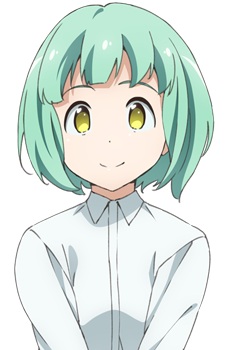
High school biology teacher Tetsuo Takahashi may look like your average everyday instructor, but beneath his gentle appearance lies something less ordinary: his fascination for the "Ajin," more commonly known as "Demi." Although these half-human, half-monster beings have integrated into human society, Takahashi believes that much about them will remain unknown unless he interacts with them firsthand. Demi-chan wa Kataritai follows Takahashi's daily life in Shibasaki High School together with his three Demi students—Hikari Takanashi, an energetic vampire; Kyouko Machi, a gentle dullahan; and Yuki Kusakabe, the shy snow woman. Along the way, Takahashi also meets fellow teacher Sakie Satou, a succubus with an aversion towards men. To fulfill his goal of learning more about the Demi, Takahashi decides to conduct casual interviews with the girls to learn more about their abilities, psyche, and interaction with human society. As Takahashi strengthens his bond with his students, he soon discovers that the Demi are not as unusual as he initially believed. [Written by MAL Rewrite]
Main
Main
Main
Main
Main
Supporting
Supporting
Supporting
Supporting
Supporting
Supporting
BanjoTheBear
March 8, 2018
(This review has been adapted from my blog/reddit thread. Spoilers ahead!) Another day, another anecdote that I must repeat (to some extent) because it just fits too well to pass up. One of my favorite film quotes of all time also happens to be said by my favorite Pokémon of all time, Mewtwo. In Pokémon: The First Movie, Mewtwo delivers the following line. “I see now that the circumstances of one’s birth are irrelevant. It is what you do with the gift of life that determines who you are.” It’s a relevant quote and a relevant series given Demi-chan wa Kataritai. An anime that channels both “monsters” and self-worthin wonderful fashion. STORY Demi-chan wa Kataritai’s structure is like that of most other slice-of-life anime. Lighthearted comedy, down-to-earth setting, cute girls. The works. However, it goes even further, delivering a worthwhile experience that the viewer can take to heart and apply in their own lives. To get there, the anime creates a strong foundation. The main premise itself – the interviews – is a format that works very well. Takahashi-sensei sits down with Hikari, Satou-sensei, Machi, and Yuki one-on-one, asking them questions about themselves and, more importantly, about the origins of their demi traits. It’s exposition that feels natural because not only does the audience learn something new but also Takahashi-sensei himself also learns right along with them. Their traits mostly derive from known legends in the real world. Vampires bite. Succubi seduce others. Dullahans carry their heads around. Snow women aren’t too fond of hot weather. Demi-chan wa Kataritai doesn’t only explain away their traits with known ideas; it also takes some creative liberty to make them that much more interesting. Vampires use blood bags supplied by the government to satiate their hunger. Succubi inadvertently attract those around them due to an aphrodisiac effect. Dullahans’ head-to-body connection may represent a worm hole which allows for the transference of food and vocals. Snow women produce ice when under physical or emotional duress. In bringing up these topics, the anime gets at the core of its content. More specifically, a mature brand of comedy comes through with ease. Hikari’s suggestive description of Takahashi-sensei’s arm during her “Arm I Want to Bite Championship” is hilarious, and his reaction to Satou-sensei’s accidental sexiness when zipping up her jacket strikes that funny bone hard. These jokes and many others in the show are often sharp in timing and quick in wit, leading to a consistently funny anime. To be fair, this comedy is nothing next-level, but its simplistic yet varied nature provides a lot of laughs. Laughs that don’t make fun of their traits but instead demonstrate that they are nothing to be ashamed or afraid of. In fact, this comedic direction gets at Demi-chan wa Kataritai’s most important message. Life should be filled with laughs and smiles. To put it differently, everyone deserves a shot at happiness. Unfortunately, that doesn’t always happen. Life can sometimes throw around its meanness. In Demi-chan wa Kataritai, Hikari and the other girls are portrayed either as people with special circumstances, handicaps, or otherwise noticeable differences. I.e., they are demis. For them, they are the outsiders. The ones who are not the same as most other people. As the anime depicts, their differences cause life’s meanness. Machi can’t make friends very easily due to her uniqueness. A couple of gossiping girls bully Yuki. Satou-sensei must meticulously form her life around her inadvertent effect. Essentially, they undergo societal hardships that prevent them from being happy. These scenes are sad but meaningful. Meaningful because they reflect situations in real life. The audience has most likely encountered people at work, at school, or at a restaurant who have their own differences. Differences that have them being treated unfairly or in a way that isn’t right. By extension, it keeps them from obtaining the happiness that they deserve just as much as everyone else. Indeed, Demi-chan wa Kataritai argues for such happiness. It’s in Hikari sticking up for Yuki by giving her two cents to those bullies. It’s in Takahashi-sensei taking the time to sit down with the girls and seriously listening to them. It’s in the support they receive from their family, friends, mentors, and each other. Their demi status is fundamentally a part of them, but that doesn’t make them anything less. In fact, it makes them who they are. Takahashi-sensei puts it best in episode four: “It isn’t how you’re born that makes you ‘like’ something. It’s how you live with what you are.” Even better, he goes on to explain that that doesn’t mean one should “neglect” those differences, saying, “You can’t look at things in only one way. You should look from both angles.” Otherwise, one will “miss their individuality” and “won’t understand their troubles.” When all is said and done, the person as a whole matters most. And again, the anime demonstrates this mindset – both with the demis and the non-demis. Himari, the younger of the two twins, looks out for her older sister Hikari however she can. Yuki and Satou-sensei connect over a bunch of silly manga. Takahashi-sensei’s professor friend inspires Machi to pursue her studies so she can further understand herself. And all the girls deliver a heartfelt video message to their sincere teacher to cheer him up as best they can. Everyone involved proves that a person isn’t defined by words like “vampire” or “succubus.” That what makes people who they are isn’t about where they come from or their genetic foundation or the culture in which they were influenced. Rather, it’s about their moral fiber. Their strength of character. Their goodness of heart. That’s Demi-chan wa Kataritai’s message: No matter if different or demi or somewhere in-between, people deserve to be happy in their own skin. In all honesty, Demi-chan wa Kataritai shouldn’t be classified as deep or profound. It doesn’t have top-tier writing since it doesn’t explore all sides to the same degree, sticking mostly with a cheerful, optimistic tone and cutting back on the realism it strives for. In turn, its different instances of drama can feel somewhat stilted. It punctuates the drama with tears, but that tone and the surrounding comedy are around often enough to keep the show from landing its lows. These issues don’t take anything away from the show’s beautiful message. The only issue that really does is the semi-harem approach. There’s no ecchi, what’s shown is nowhere near distasteful, and it can actually setup more laughs and extra opportunities to understand the girls and their feelings. However, the anime wants to be semi-serious, and, realistically, only one girl has a shot at romance with Takahashi-sensei (i.e., Satou-sensei). So, this approach of keeping his relationships with the girls on a kind of status quo comes off as slightly unnecessary in the long run. Regardless, the climax of the anime’s drama happens in the second-to-last episode, leaving the final episode open for the show to deliver one last side story. It’s a wise decision because it ends the season not on an emotional level but rather on something simply happy and fun. A state that the show wants its audience to feel – regardless of creed or upbringing. ART/ANIMATION Demi-chan wa Kataritai supports its story with an expert set of visuals to say the least. One of the more interesting choices in the show are the characters’ designs. For Hikari, Machi, and Yuki, the anime uses a clever technique. By having the girls wear white blouses and brown skirts, these very plain outfits accentuate the main features of each girl. Hikari’s yellow “horn” hairstyle and sharp fang. Machi’s shining flame and orange-haired (disembodied) head. Yuki’s teal-cool hair and glazed eyes. These color choices are smart, too, aligning with the characters and their personalities. Yellow for joyful, orange for warmth, and teal for pleasantness. Satou-sensei and Takahashi-sensei earn praise here as well. Satou-sensei’s red tracksuit, low, long ponytail, and glasses are an “unattractive” look designed to conceal her aphrodisiac effect, giving her a design that instantly characterizes her whole person. As for Takahashi-sensei, his lab coat immediately signifies his teacher role, and his red undershirt complements the white of said coat and his black, spiky hair. But his look also does something similar: hiding his absolutely ripped bod. A bod kept hidden until the final episode so as to include even more comedy in the anime (thanks to Satou-sensei’s uncontained reaction). Most interesting of all, though, is Demi-chan wa Kataritai’s visual storytelling. For many of its scenes, the anime will take full advantage of the medium, presenting ideas and developments through the art itself. For example, in episode four, Satou-sensei runs into Takahashi-sensei in the cafeteria. As they talk, she apologizes for her assumptions about him after she realizes how hard he has been trying to understand the demi girls. Through dialogue, she insists on helping Takahashi-sensei. Visually, the foreground concrete pillar separates them both while her side contains red chairs and he sits among green ones. So, when she crosses over to his side of the screen, she both breaks the barrier between them and starts their newfound relationship. Or take episode ten. Following Machi and Takahashi-sensei’s conversation with his professor-friend Souma, she sits down on the grass outside, thinking about what her future holds. Again, her words describe how she has a new path to take in life before her: researching her Dullahan nature. Visually, as she stares up at the sky, two airplanes fly overhead, their contrails crossing one another. A metaphor for that fork in the road, the diverging paths she has before her now as she moves into the future (and takes the one less travelled by, as Robert Frost would write). These couple of examples only scratch the surface of Demi-chan wa Kataritai’s thoughtful artistry. On a more general level, the visuals perform just as swell. Camera angles shift away from common perceptions, and transitions between some scenes are dynamic rather than sudden. It’s a thoughtful, down-to-earth anime, but it does what it can to keep its visuals both varied and entertaining. Beyond the designs and the attention to artistry, the anime provides even more to look at. Tons of reactions for extra comedy (and Hikari gets most of the thanks here). Fluid animation appears frequently. And the soft art style in general continues with the show’s lighthearted vibe. Yes, quite the expert display from the show. CHARACTERS Demi-chan wa Kataritai hosts a cast of five main characters: Hikari, Satou-sensei, Machi, Yuki, and Takahashi-sensei. Each girl has their quirky traits of course. Yuki loves gag comedy, silliness, and jokes of an uncouth manner. Machi likes to be coddled. Satou-sensei speaks the truth internally to herself. Takahashi-sensei gets lost in thought when seriously thinking about demis. Only the romantic, sexual connection to Hikari’s biting habits flusters her. While not extravagant, these quirks flesh out the girls’ personalities that much more. Together, they carry the show’s strong sense of comedy and its worthwhile message with nothing but ease. However, their most important contribution comes from another meaningful idea: overcoming loneliness. Yuki goes through loneliness as a snow woman. Her body temperature is lower than most others, and she can even produce ice depending on the situation. This last point causes her a great deal of stress. She feels that she can’t be near people for fear of harming them with her cold abilities. Combined with her new environment after moving away from home, she closes herself off from everyone around her. Machi goes through loneliness as a Dullahan. With a body and a head separated at all times, she must make special arrangements for herself, like a harness for studying or eating and a small doggy house where her head sleeps at night. Sadly, her appearance sometimes makes people uncomfortable. Both because they have never seen someone like her before (she’s actually only one of the three of her kind in the world) and because they don’t want to touch on what they believe to be a sensitive topic of hers. Satou-sensei goes through loneliness as a succubus. As if by magic, she exudes an aura of extreme sexuality that unwillingly makes people around her hormonal. Thus, she goes to large lengths to suppress her aphrodisiac effect. She gets up super early and leaves school super late to avoid as many subway passengers as possible. She wears an unassuming outfit. She makes doubly sure to keep her distance from everyone around her to prevent any accidental contact. Thankfully, Takahashi-sensei is there to support every single one of them. Takahashi-sensei investigates the legends surrounding Yuki’s snow-woman status. Many of the stories harbor harsh feelings and unfortunate ends often derived from longing. In short, they involve negative emotions of some kind. Which leads him to conclude that Yuki’s ice isn’t something to be feared but rather a byproduct of the stress she has been feeling as of late. His insightful words ease her mind, allowing her to finally feel a sense of relief and granting her friends in Hikari, Machi, and even the male classmate whom she initially turned away. Takahashi-sensei also investigates Dullahans. Of Irish origin, fairy tales often depict them in a more grueling manner. How they were harbingers of death that terrorized man both on and off the battlefield. It makes sense, then, why people would fear her. After speaking with her, too, she becomes a lot more comfortable with herself. She takes part in an “experiment” with Takahashi-sensei. She thinks seriously about her condition and what she can do to contribute towards its research. She goes underwater for the first time ever. She’s never hated being a Dullahan, but she realizes now that life has a ton of exciting opportunities out there just for her. And, as expected, Takahashi-sensei works to get to know Satou-sensei more as well. His differing opinions on her nature give her the chance to express her own thoughts, and his careful, subdued reactions to her oft overwhelming effect help to build her confidence. Through his actions, she believes more in her romantic future. That she still has the chance to find a life partner (read: Takahashi-sensei) despite her peculiar circumstances. She may overestimate Takahashi-sensei’s power to fight back against her effect, but he no doubt has given her the confidence to be bolder in the nuanced ways of love. Other people besides Takahashi-sensei do help the girls overcome loneliness. Satou-sensei’s police officer, father-figure friend watches over her. Satou-sensei herself befriends Yuki. And Himari’s dad even carries Machi’s head once. But they are most influenced and aided by Takahashi-sensei. His sincere passion for both wanting them to succeed as students and understanding their personal dilemmas. Takahashi-sensei’s influence leaves one important question: Who looks out for him? This situation is where Hikari comes in. Hikari is bubbly, rambunctious, and outgoing. She is what most people would describe as “the life of the party.” She’s also a vampire. That means she burns easily under the sun, and she gets the urge to munch on the arms of those around her from time to time. That also means that Takahashi-sensei takes the time to learn more about her, too. Just as he does with the other girls. More so than the other girls, though, Hikari goes out of her way to make their lives a happy one. She makes this trait of hers apparent right from her official introduction. She enlists the help of Takahashi-sensei to transport Machi’s body to the nurse’s office since she noticed the sickened state of the Dullahan. Indeed, Hikari is this thoughtful all the time. For Yuki, Hikari keeps her distance out of consideration for Yuki’s feelings when she notices that clinging to her was making her somewhat upset. And she stands up to Yuki’s bullies, declaring how she doesn’t want to do anything she’ll regret even if people say mean things behind her back. For Machi, she’s the first to ask her about how tough it must be to always carry around her head. She also secretly suggests to Takahashi-sensei that Machi use a backpack rather than a duffle bag since it’s easier for Machi to handle. And she later allows those two to make up after they both messed up (giving a “heh heh” laugh and a few winks to boot). For Satou-sensei, she doesn’t do anything directly as she does with Machi and Yuki. Instead, a lot of her actions lead to indirect benefits for the succubus teacher. Hikari’s trust in Takanashi-sensei leads to Satou-sensei’s own rethinking of the man she now loves. Hikari kissing him on the cheek makes Satou-sensei envious and urges her to pursue him a bit more with her aphrodisiac effect. And her pool idea gives Takahashi-sensei the thought of inviting Satou-sensei along which in turn gives her more chances to form the romance she wants so badly. Takahashi-sensei is the rock that supports these girls, but Hikari is their pillow. A fluffy, soft, and easygoing person who doesn’t view them as a snow woman, Dullahan, or a succubus. Rather, she simply sees them as people precious to her. She confirms this pillow analogy when Takahashi-sensei finds himself facing the same feeling of loneliness. The vice principal of the school doesn’t approve of how much Takahashi-sensei has been helping the demis. Both because he is neglecting the other students and coddling the girls too much. These thoughts put Takahashi-sensei down, himself believing that maybe he has been trying too hard. Hikari has none of that. She notices his saddened state, so she rounds up all the girls to say a few words about how he has been such a positive influence in their lives. It’s a touching moment that Hikari caps off with a personalized message she delivers herself. She tells him, “You can never take ‘trying’ too far.” Her words put into perspective exactly what the other girls have gone through. That, like Takahashi-sensei, Yuki, Machi, and Satou-sensei have themselves been trying hard to not only live with their conditions but also overcome the loneliness that seemed to plague them. As she shouts out her heartfelt thanks for Takahashi-sensei over the ocean, it becomes undoubtedly clear that Hikari embodies the spirit of Demi-chan wa Kataritai. She’s an oddball and a vampire, but she understands that life is about overcoming loneliness and trying way too hard. Because only then can one be truly happy. MUSIC/SOUND A fantastic set of voice-acting performances back up the awesome cast. Junichi Suwabe as Takahashi-sensei has the manly yet understanding voice down pat, and he can get quite “sultry” with his voice when he wants to. Yoko Hikasa as Satou-sensei deserves a shout out, too. Another veteran in the field, her calmness, mumbles, and internal thoughts demonstrate the range of her characters’ emotions. But it’s Kaede Hondo as Hikari who (once again) takes the top spot. Her contagious happiness and outgoing, peppy speech elevate the character’s likability tenfold. Much of the music within Demi-chan wa Kataritai also earns high marks. From emotional, orchestral ensembles to relaxing acoustic strings to lackadaisical, upbeat tunes, the show incorporates a lot of thoughtful tracks that support the anime almost as well as Takahashi-sensei supports the girls. They may not be as memorable as the story’s message or the characters’ quirks, but they hold strength all the same. The opening track, “Original.,” combines piano keys, a backing beat, and a lot of chimes, bells, and other dainty instruments to give the track a welcoming tone. It’s not afraid to warp its sound, and the vocals provided with the piece are pleasant to listen to. Especially when they harmonize in the background. The ending track, “Fairy Tale,” is another happy little tune. Moderately paced, more piano and chimes create a foundation that’s both light and charming. Soft vocals and a catchy composition round out the track as it starts off quiet, picks up in the middle, and finishes with a lot more passion. Leading it to a quiet end that mirrors the start. ENJOYMENT What a wonderful anime. It’s always an awesome feeling when I’m watching a show, I immediately love it, and I continue to throughout the rest of its run. That’s rare nowadays, so it makes the occasion that much more special. For me, what really sold the anime were the characters. I like them all a ton. Machi was too cute with her stares and her body going bonkers whenever she took a daring chance. Yuki’s “Curse you!” acting and her stifled chortles had me smiling wide. And Takahashi-sensei teasing the girls and doing his best to help them made him into a pretty cool dude. My two favorites, though, are undoubtedly Hikari and Satou-sensei. Satou-sensei was amazing. As the romance aficionado that I am, her attempts at a romantic relationship with Takahashi-sensei made me oh so happy. She would get jealous of the other girls’ moments with him, she would get embarrassed at herself for going all out, and she would get extremely excited about her potential future or overly defensive should her father-figure try to say anything even remotely negative about her man. As for Hikari, she is just way too much fun. Her happy-go-lucky attitude. Her silly actions. Her hilarious faces. She was such a treat to watch as she livened up whatever room she happened to enter. Best of all, she represents the show itself, making her my favorite of the bunch. Even without the characters, this show presents something truly kind. There’s drama, sure. But the positivity it maintains – about the girls’ situations, the outlook on life, the care of everyone involved – means a lot to me. Many anime aim for a similar sense of kindness. But they don’t always get there for a variety of reasons: trying to be too cute, the premise isn’t grounded enough. In other words, the whole package feels artificial in its kindness. For this anime, it’s not artificial whatsoever. It nails that kindness and then some. It’s a good show that feels good and is good of heart. And I’m supremely glad to have had the chance to watch something so awesome. Demi-chan wa Kataritai delivers a superb experience in anime form. A thoughtful narrative, thematically consistent characters, and a kindhearted presentation are supported by expert visual direction and a set of fantastic voice-acting performances. Looks like Mewtwo was right all along. SUMMARY Story: Good, a strong slice-of-life narrative investigates the topic of societal differences with so-called demis, providing mature comedy and a sincere message on deserved happiness in one’s own skin, brought down slightly by not enough realistic exploration and a semi-harem approach Art/Animation: Great, simplistic designs accentuate the characters’ traits, visual storytelling engages the audience, and small flourishes amplify its overall artistic merit Characters: Great, Takahashi-sensei supports Yuki, Machi, and Satou-sensei, Hikari embodies the tenets of this tale, and heartfelt themes about overcoming loneliness and trying hard persist across the whole cast Music/Sound: Great, fantastic VA performances and a large range of simplistic yet charming tracks from the OST fill the air, and both the OP and the ED keep the happy vibes going Enjoyment: Great, a wonderfully comedic, positively heartwarming experience the whole way through Final Score: 9/10
Supporting
Ericonator
May 8, 2017
Demi-chan wa Kataritai (or Demi-chan as I will be calling it from now on) is at its core a pleasure. Ranging from interesting characters to funny comedy, Demi-chan delivers for the most part an interesting take on the comedy genre. While Demi-chan does not have a lot of profound meaning or underlying plot, what it does offer is a delightful 12-episode fun ride sprinkled with some deeper moments here and there. Demi-chan revolves around three half-human, half-monster “demis”, Kyouko Machi, Hikari Takanashi, Yuki Kusakabe, and their high school biology teacher Tetsuo Takahashi. Along the way, a fourth demi by the name Sakie Satou appears. Although thismay just seem like another moe/comedy in the sea of other shows in this genre, I can assure you that it is more than just that. Starting with our main male protagonist Tetsuo Takahashi, or Takahashi-sensei as the demis refer to him as, is a biology teacher who takes an interest in demi-humans. Seeing as he had never encountered one before, he is very eager to meet them. Our main female protagonist Hikari Takanashi is a very cheerful and energetic vampire. She loves to cling to others, especially Yuki since she finds her skin nice and cool. Even though she is a vampire, she does not bite other people’s necks for blood like vampires in movies do, rather she drinks blood packs sent by the government and blood substitutes like tomato juice to quench her need for blood. In contrast to Hikari’s energetic personality, Yuki Kusakabe is a relatively shy and closed-off girl. She is a “Yuki-onna”, meaning snow woman. Due to her personality, people around her often mistake her for being cold or apathetic, while in reality she just has a hard time expressing herself properly. Rounding up the pack of three is the dullahan Kyouko Machi. Kyouko is in my opinion the most interesting and fleshed out character of the show. At the beginning, she appears nice, but you can tell that she feels a bit out of place. For instance, in the first episode she is talking to some of her classmates and they ask her if it isn’t a long way to school for her, since she said she walks instead of taking the bus. She replies saying that she is used to carrying her head around due to being a dullahan, which makes the two classmates nervous and they shift the subject. Later on Hikari confronts Kyouko about her being a dullahan, which surprises Kyouko but also makes her happy. The classmates from earlier see this, and come over to talk with her again, but this time without being nervous about mentioning Kyouko being a dullahan. Finally, we have the succubus teacher Sakie Satou, or as Hikari calls her, “Sakki”. Being a succubus, she often distances herself from men due to her innate ability to seduce them if they come in contact with her. When she first meets Takahashi-sensei, she backs off like usual, but later on she comes in contact with him by accident. He acts as if her seductive ability does not work on him, which makes her open up to him. Demi-chan has a nice and colourful art style, which sets the mood for the show. Although it is nothing special or groundbreaking, I believe the series would suffer if the art style were different. Any anime with comedy is immediately going to split people into two groups, the first being those who find it funny and the second being those who do not. Regardless of whether you found the comedy in Demi-chan funny or not, we can agree on one thing; the comedy presents itself in a way that not only expands on the characters, but also reflects on some of the problems these girls have to face. Hikari is usually the front of the jokes, since her energetic personality makes them flow smoother. There was occasionally a joke or two that did not make me laugh or chuckle, and this was more apparent near the end as the series was trying to wrap everything up, but overall the comedy was on-point. As I said earlier, Demi-chan does touch upon some deeper elements from time to time. Even though these moments are not the focus of the show, they do add a layer of depth which otherwise would not be there. For instance, in one of the later episodes a person named Ugaki comes to visit Takahashi-sensei to discuss demi-humans. He explains that while demi-humans have been accepted into society, there are still some that cause trouble. He expresses that if the demis that Takahashi-sensei is teaching start causing trouble, the police have to take them away. Saying that I enjoyed Demi-chan would an understatement. Be it the interactions between the characters, the funny comedic parts or just simply the refreshing take on the genre, Demi-chan never ceased to keep me entertained. Overall, Demi-chan takes an oversaturated genre and freshens it up by adding interesting concepts and charming characters. What it lacks in depth is overshadowed by the great characters and execution, and is highly recommended for anyone interested in the genre.
ItzToxic
August 2, 2017
Relationships are beautiful, especially when it can be with people who are half human, half demi. Interviews with Monster Girls take into account Slice of Life and Deep topics at the same time;and if A-1 can do something right, it’s this. The story mostly happens at school where the events unfold. Our main character, Takahashi sensei, has a slight curiosity to those named demi’s. It’s known to them later on that Demi’s exist in their school, the first one known I believe was Satou sensei, a succubus who tries to avoid crowds for the sake of her, and for the sake of them. Succubus do notlive a normal life, even though we usually just see them as some sort of sexual character. I mean, it’s not wrong, but after the way Satou lives, I see Succubus as something else, one of the most difficult things to live as. It’s sad to live as a Succubus, since it may be hard to love someone when you have everyone attracted to you sexually. It then begins to take a difficult turn on your life and it affects you in a way that you become isolated from everyone and avoid people. But that’s why we have our main character. Takahashi has to deal with many demi’s. The Fun Vampire Hikari The Loving Machi The Lonely but not so lonely after a while Yuki The beautiful Satou With Takahashi, developing a relationship with them could prove challenging, but totally worth it in the end. It wasn't hard to befriend Hikari due to her fun and outgoing personality. After that, it connects to Machi and then to Yuki and so on. It becomes a chain. Takahashi wanted to help any problems they may have, so he researched quite often on each Demi one at a time. To see what they like, don't like, and so on. Once the demi’s see this in him, trust begins to be build in such a way where there’s almost an unbreakable trust. You see, I notice that some may view their relationship as odd, and I see where they’re coming from. It can be viewed as weird or uncommon. But when someone truly shows that they care about someone when they aren't usually wanted (because of their characteristics), then of course a strong bond will be created. In this case, Takahashi and his students. He shows genuine love and cares about their well-being and will do anything in his power to make sure they live a happy life where they can live without any worries. With that in mind, I can overlook the relationship that they have. I do seem to enjoy series where humans coexist with those that aren't too fully human. But seeing how the demi’s are enjoying the human life very greatly, we can basically they're living a human life. But of course in Machi’s case, it can be hard XD. But Slice of Life isn't all there, the interactions with the characters can be in a way deep and explores further into the problems and they work together to figure it out. In a way, it can represent modern day discrimination;where certain groups of people are treated unfairly because of who they are. In this case, Yuki. Before she became a bright girl, she seemed to be unsocial and someone who avoids people. The reason for this may be because of the power she wields. But of course, Hikari breaks through that barrier like nobody’s business. She loves Yuki and therefore goes after her. When Takahashi was able to become friends with the demi’s, the world becomes more colourful with a beautiful and stable relationship. Speaking of colours, the schemes used in the anime give it more shine. Seeing how broken some of the characters are, it’s really amazing what Takahashi sensei can do as a teacher, and a father figure. The journey they had together was splendid and the way they care for each other and supports one another, it’s a relationship that we don't see everyday. The OP and ED are amazing with its catchy song and the way the happiness within the demi’s are represented and portrayed to the viewers is awesome. It brings me full joy and I always had a smile each episode and a ton of laughs. Overall the enjoyment was phenomenal. The feelings, the relationships, and the characters. All are good points and it’s definitely one of my favourite of Winter. Although underrated, it’s a 10/10 in my book.
Skittles
March 25, 2017
Monster girls to ecchi are like strong characters to shounen. Just like how a shounen anime would feel strange without a cast of muscular fighters and hotheaded heroes, an anime about monster girls would feel insufficient when lacking the presence of slender harpies and buxom centaurs. But is it possible for monster girls in anime to be presented as something else other than fetish fuel? What if they possess charm, cuteness, and character worth sympathizing for? Enter Winter 2017, and Demi-chan wa Kataritai arrives to answer my call. At first glance, Demi-chan wa Kataritai seems to be a harmless slice of life with a dash of supernaturalelements. Cute girls? Check. Pleasing visuals? Check. No solid plot whatsoever? Check. All these common tropes are present, so some might simply pass it off as another moe-fest destined for the backlog. But don’t be fooled! Beneath an otherwise generic sounding premise lies an anime consisting of likable characters, great social commentary, and the right dosage of comedy. Since it lacks a distinct plot, Demi-chan wa Kataritai primarily markets itself using an all-lovable cast. In this feat, it really succeeds. You’ll be expecting a trio of BFF schoolgirls, a teacher with hilarious romantic issues, and a biology instructor who looks like Okabe Rintarou twenty years after Steins;Gate ended. The catch? Except for our eccentric teacher protagonist, all the main characters are monster girls—or demi-humans, as the show calls it—of various species. What makes these characters entertaining, however, aren’t their abnormalities, but rather their struggles in coping with them to adapt to human society. Hikari is an upbeat vampire girl who quarrels with her sister often because of issues such as placing her blood packs in random places. Machi is a dullahan who feels that her headless presence would forever create tension between her and everyone else. Yuki the snow woman is worried that becoming too close to others would cause them to meet a cold demise. Sakie is a succubus teacher who dresses conservatively from fear of seducing males in her vicinity. Rather than merely being demi-humans for the sake of vanity, the characters of Demi-chan wa Kataritai learn to deal with problems that stem from their irregularities. It’s an interesting formula that always provides each new episode with a fresh perspective. Of course, how can we forget the protagonist himself? Tetsuo might be the only male and human of the group, but such normalcy only makes him even more intriguing. As both a mentor and father figure to the girls, Tetsuo tasks himself with the mission to discover more about demi-humans by conducting casual interviews with them during recess hours. Some interviews will make you laugh, others will educate you more about the girl’s species, and in few instances, these interviews can bring you warm feelings. Whatever the case, Tetsuo's dynamic conversations with the girls represent the soul of Demi-chan wa Kataritai. Admittedly, the show can sometimes veer dangerously into harem territory whenever the girls show borderline lust for Tetsuo due to the intimacy of the interviews. But since Tetsuo is their sole source of help to cope with human society, how can we blame the poor guy for inviting unwanted attention? Thankfully, this point isn’t major enough to turn the show into a full-blown harem like Monster Musume. Demi-chan wa Kataritai also surprises its viewers with a good deal of social commentary. Think back to the girls struggling to adapt to school life because of their differences; doesn’t that sound a lot like contemporary issues regarding prejudice? Though Demi-chan wa Kataritai appears to be fluffy on the surface, it’s certainly not afraid to tackle serious matters during certain points. In one episode, a visiting detective named Ugaki discusses with Tetsuo about the state of demi-humans in Japan. Despite being regarded as perpetrators of crimes in the past, says Ugaki, demi-humans have now come so far as to become respected members of the national police force. Another episode involves Tetsuo realizing the struggles of Hikari’s family to make their vampire daughter feel welcome at home—a responsibility that doesn’t burden them even one bit due to their overwhelming love for their daughter. These problems might only be a fleeting extra for most people, but attentive viewers would be quick to draw parallels between these subtle messages and real-life contemporary issues. Small tidbits like this make Demi-chan wa Kataritai an engaging show to just about anyone. Now that the darker stuff is out of the way, what about the humor? In a time where most slice of life rely too much on their moe factor to produce chuckles from the audience, Demi-chan wa Kataritai thankfully carries a brand of comedy that feels surprisingly genuine. Loudmouthed Hikari is obviously the main perpetrator of laughs, but I also had fun watching Sakie struggle with romantic concepts and Machi being oblivious to non-academic pursuits. During the second half, however, the show feels somewhat less funny, but that may be due to the story trying to wrap things up for the finale. Character designs in Demi-chan wa Kataritai are nothing groundbreaking, but the show’s bright color palette creates a good match with the uplifting nature of the story. The hair color for the girls and the scenery of the backdrops give me the impression of a city version of Non Non Biyori, another slice of slice series which ironically bears many resemblances to Demi-chan wa Kataritai. The OP and ED themes are catchy enough, but what’s most interesting about them are their visuals. For a small treat, pay careful attention to them as you progress through the show. Proving that anime with monster girls can be something different, Demi-chan wa Kataritai marks itself as an endearing slice of life that plays with the not-so-similar elements of cuteness and social issues. Despite being buried underneath this season’s big hitters like KonoSuba S2 and Masamune’s Revenge, Demi-chan wa Kataritai won’t fail to surprise viewers with its interesting take on an otherwise unremarkable premise. My only wish now is that I can find a real-life figure like Tetsuo to be my life coach.
3xTripple
March 25, 2017
“The warm and fuzzy feelings are strong with this one” - Darth Vader This series truly deserves its popularity, because it was so much more than just another generic “cute” anime. I watch a lot of anime regularly and often dislike most moeblob anime, so it’s pretty unusual that I truly enjoyed this series enough to be smiling in excitement when each new episode aired. This is a review without any plot spoilers beyond the first episode. TLDR/Summary at the end What if rare and terrifying monsters were actually cute teenage girls that attended school ordinarily like humans? At first glance, this anime may seem like justanother ordinary fun “cute girl” series, but there is something special---something much more unique about this series that sets it apart from the others. This anime distinguishes itself by beautifully conveying some of the different social consequences of being a monster or “demi-human” trying to assimilate into human society, while the series also injects you with a profound dosage of “cuteness” in the process. Story: 8/10 Tetsuo Takahashi or "Takahashi-sensei" is a male biology teacher who has been fascinated by the biological nature of demi-human for a while. He’s well-respected throughout the school for his warmhearted approach to students, but he’s never actually encountered a demi-human before since they are extremely rare beings. By a huge stroke of plot---I mean luck, four demi-human girls end up in the same school as him. The story begins from there while primarily following Takahashi as he works to understand and help the four of them with their demi-human characteristics in this show’s ordinary school setting. The story shows the struggles of the four demis and their biological characteristics as they live their daily school lives. Afterall, how does a Dullahan, Vampire, Yuki Onna, and Succubus actually even function in ordinary society? Find out by watching the show :) Considering the core elements of this story, the story itself was absolutely beautiful thanks to its primary focus being different from just “cute girl” eye candy, unlike many other similar anime. There’s a certain degree of realism to the storyline since the characters develop as you would expect a real person to. This makes the characters more interesting and relatable than anime with generic characters. I appreciated the fact that there was very little fanservice in this anime because I feel that it would take away from the genuine fuzzy warmth of this series. However, I also feel that any fanservice in this series was timed appropriately to fit the anime’s settings. The pacing was pretty good; I didn't feel that this anime was too slow or moved too fast. Also, the light-humor in the series was timed perfectly and hit hard, which made even it more entertaining to watch. While everything in this series was really enjoyable, there weren't really any moments that made me “think” or “feel” strongly about something. That quality is what I feel separates a really good series from a great one, so the story can only get a max score of eight from me. Art: 7/10 The art is pretty damn simple in general. The color scheme is basic, but they used a lot of light and vibrant colors to give a pretty light-hearted mood. There is nothing particularly unique about the art style, but this show did do “cute” really well and, let’s be honest, that’s all it really needs anyways. I like the fact that the characters aren’t just “cute” in the sense that they just look like moeblobs with faces. Instead, the characters’ cuteness comes from various hairstyles and facial expression ranges, that were thoroughly expressed through the artstyle. The background art is nothing spectacular and is pretty average, but the 3DCG blended nicely into the backgrounds. The camera angles weren’t really THAT good because of the plentiful amount of stagnant angles, where only the character moves. The animation’s frame-rate is pretty normal for a series like this. Overall, the art is nothing special. However, they did do “cute” rather well, so it deserves a seven to me. Sound: 6.5/10 The opening is really good and perfectly sets the mood for the anime. The ending’s pretty generic, but still fits. The background music in this anime is pretty damn unnoticeable except for a few pieces that really stand out. There’s really only one OST from this anime (that I recall) that I would actually enjoy listening to on my spare time. The voice actors/actresses voiced their roles very well, there wasn’t any particularly unique or powerful about their voices but their voices were all pretty mellow and nice to listen to. Overall, the Sound is only slightly better than average, but the perfect opening accounts for the .5 additional I gave it. Character:9/10 I feel that the characters were the strongest point of this series. Takahashi-sensei comes across as a mature older adult who is a genuine person when it comes to helping the “demis”. He’s a buff science-minded adult who’s kind of like a father-figure to the demi students. The demi girls each have their own unique personality that I truly came to love and appreciate. Yuki comes across as a shy, misunderstood, kind of awkward girl, but she becomes more confident and we see various other fun sides to her personality as the series progresses. She's often the one laughing at jokes in secret and she turned out to be my favorite character in the show. Machi is a very intelligent girl who loves to study and is very humble. She's relatively shy as well but is great when it comes to spoken academic subjects like speeches, unlike Yuki. Satou-Sensei is a pretty awkward 24-year old succubus who's shy mainly because she often strongly attracts people of the opposite gender because of her nature. Her awkwardness is often the source of the comedy relating to her. Hikari is basically an honest, lovable, and lively extroverted girl. She's not smart and not studious. Her personality is very necessary for this story, but I didn’t really see her as anything "new" or "special" per se. Overall, this series has some really lovable characters; watching them overcome their nature, seeing them grow closer together, and witnessing their group dynamic are probably the most fulfilling aspects of this series. Enjoyment:9/10 As I mentioned numerous times throughout this review, I truly enjoyed the entirety of this series this series and actually re-watched some scenes several times! TLDR (Summary) Overall:8/10 This series was an unexpectedly entertaining watch as it followed the biology teacher, Takahashi-sensei, as he helps four girl with their demi-human characteristics. The series surprisingly goes pretty deep into the scientific logic of "demi-humans". The art was nothing spectacular, but the vibrancy of the colors helped to set a light-hearted mood for the viewers. The VAs and music were only slightly above average, but the opening set the tone perfectly for the series. The characters were the strongest point of the series because of their diverse, non-archetype personalities also because of the group dynamic that the characters create together. Bottom line: would I recommend this to you? If you like light-hearted, school, cute girls, and/or fantasy anime, then yes this is a great series to check out. If you enjoy a nice non-dramatic story, then sure. If you’re looking for romance, fanservice, super powers, or action, then no. It doesn’t focus on any of those. Hope this helps you make your decision! Let me know if you agree or disagree~
Rank
#2050
Popularity
#597
Members
440,477
Favorites
1,508
Episodes
12