
ハイスクール!奇面組
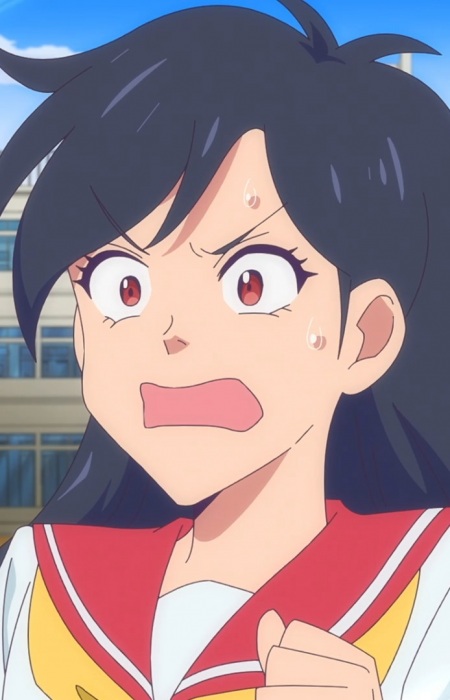
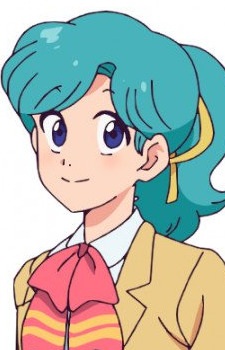
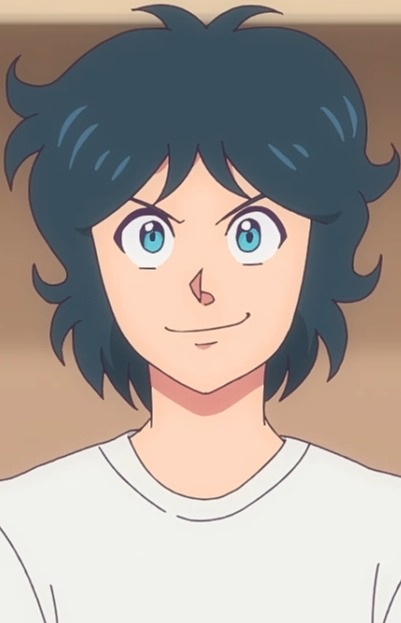
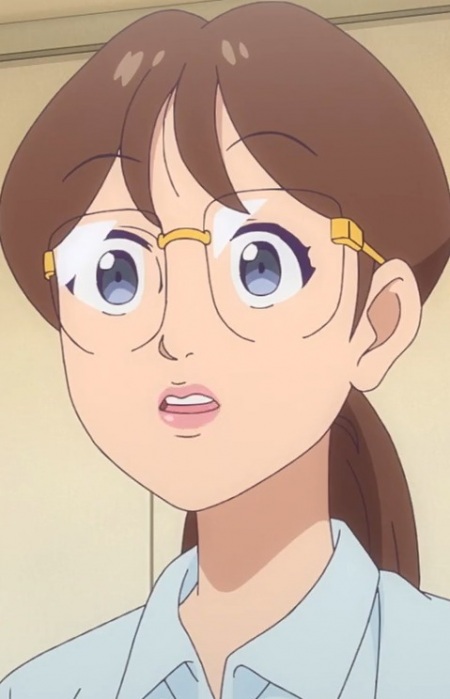
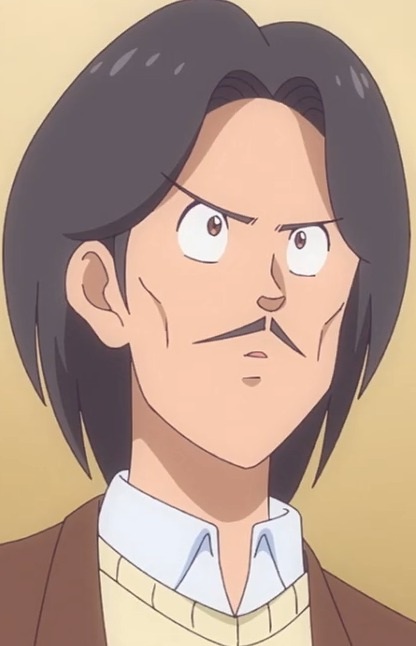
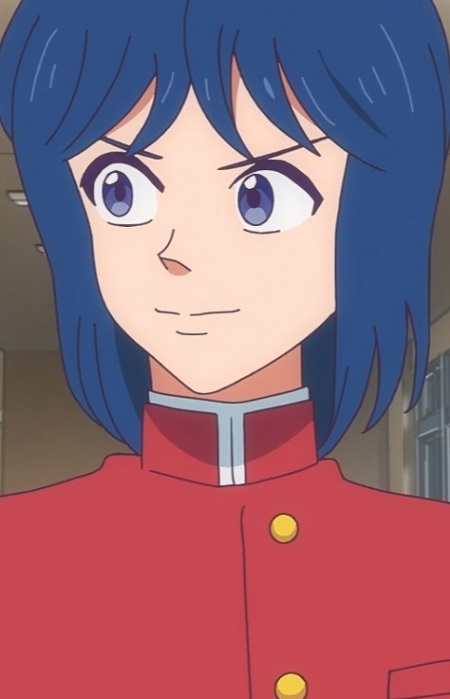
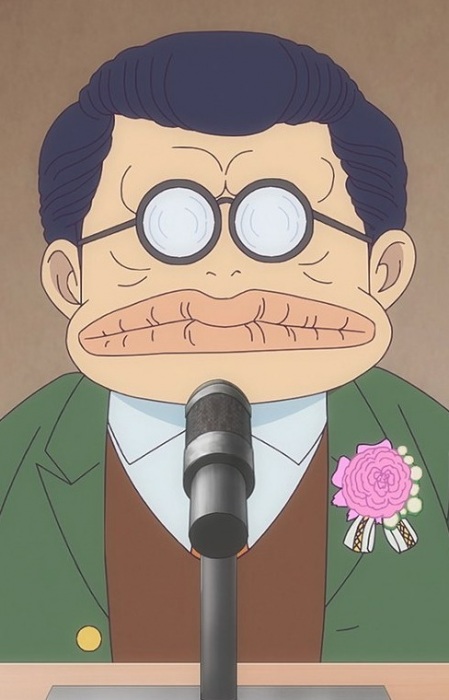
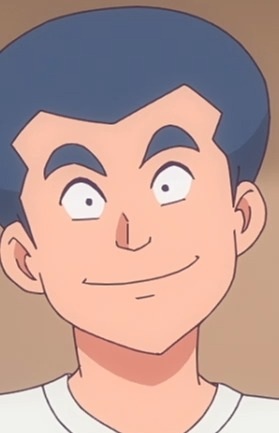
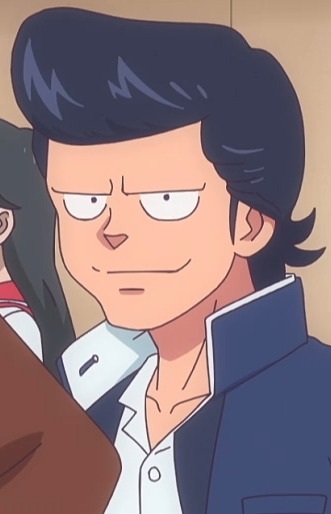
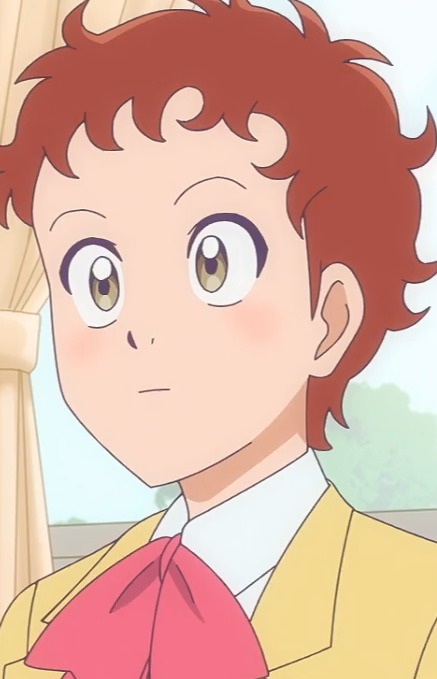
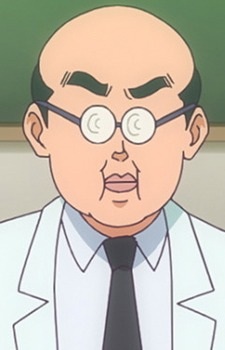
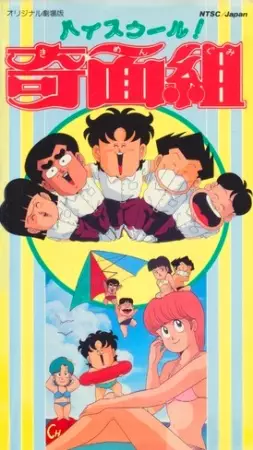
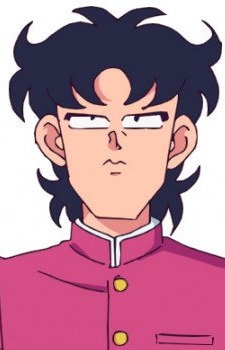
The Funny-face Club are technically high school students, but that's where the normal part ends. The five members (Rei Ichidou, Gou Reietsu, Kiyoshi Shusse, Dai Monohoshi, and Jin Daima) all have unique faces and even more unique personalities. Whether you're talking about temperaments, intellect, physical quirks, or behavior, they're all complete weirdos! Alongside them are other colorful groups at school like the Pretty-boy Brigade, the Buckle-down Bunch, and the Rebel Crew, alongside classmates like Yui Kawa and Chie Uru, and all their teachers who also get caught up in the chaos. Together, they dive headfirst into a nonstop series of wacky, wild antics. It's a story packed with absurdity, nonsense, unpredictability, and utter madness, featuring five hopeless underachievers that will stay in your memory forever! (Source: It's Anime)
Main
Main
Main
Main
Main
Main
Main
Supporting
Supporting
Supporting
Supporting
CinaGinger
December 16, 2019
I watched this series released for Europe on TV by accident in the year 2002. There's little content with English subtitles, but since a month ago, some people are trying to rescue this classic so it may take a while. I suggest reading the Recommendation List. -Nice things: I would say that the characters are appalling, in a very nice and over-the-top way and you can't resist loving each one of them while crying from laugh. The sense of humour is very similar to Lupin III or Dash Kappei. -Where the bad lies: Well, the animation is from the 80s so don't expect a HD format in16:4, it'll probably be in 4:3 format. Another important thing to notice is that the way they portray things may be rejected by some people according to their ideology. Try to be open-minded at first.
sorcery
June 21, 2025
Supporting

Supporting

Supporting
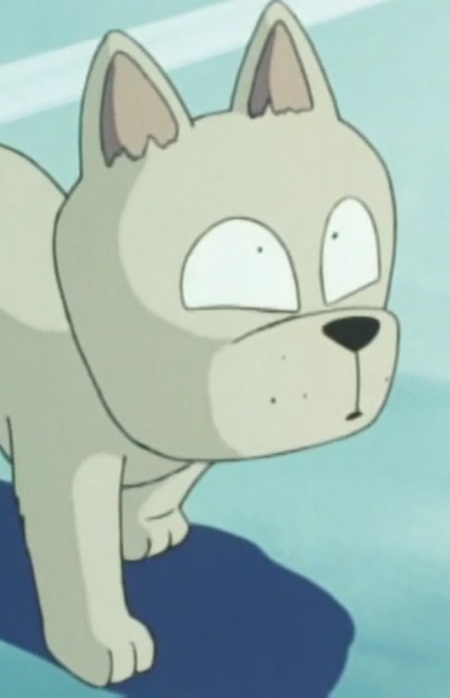
If you search for distant school days memories, you probably have some recollections of a proud underachiever, being the clown act of your class. That's a piece of luck, because the funny-face gang in "High School! Kimengumi" happens to fill this exact type of endearingly sophomoric role. But before starting to go into the thicks of today's topic, I believe it is a must to start talking about the core basics. Indeed, the pitfall of many reviews is to get into specifics straight away, obfuscating the profanes who don't even know the fundamental tenets of this work. It is all the more so right herewith this item, a cult classic which has become increasingly obscure over time. The genre is obviously flagged as a comedy, but this umbrella can have multiple acceptations, each of them widely differing in scopes. KIMENGUMI is more precisely a Vaudeville (understand Light Comedy, not the theater genre sense) whose hallmarks are reliance on visual gags (Super Deformed character morphing, goofy mimicking of socio-professional archetypes and animals...) and situational comedy. Most importantly, since it is light in tone, the humor doesn't have any psychological or moralistic ramifications. This work is purely focused on regressive escapist fun. Episodes are divided into two independent segments, much like in the early seasons of "Urusei Yatsura". Indeed, the closest anime you can compare it to is indeed Studio Pierrot's flagship title. After all, it popularized the new wave of absurdist High School comedies in 1981, more under the creative transgressions of Mamoru Oshii's team than Rumiko Takahashi herself. They share in common this same surrealist grammar in their humor. For instance, in one episode, you can see Rei Ichidou slapped so silly he is sent to space or divide into multiple selves through illogical pun reasoning. But aside from the setting and links in humor style, the affinities end there. Indeed, Myanimelist categorizes KIMENGUMI as Romance which is simply not pertinent. The Rei Ichidou/Yui Kawa duo aren't even the socle of the comedic intrigue, unlike in Urusei Yatsura where Ataru Moroboshi is the romantic object of Lum's fixation, as a variety of outlandish incidents derive from that. Instead, the main concern of Rei Ichidou is to be a dunce with style (understand, causing chaotic mischief driving his foils up the wall). It is obvious that Yui fondly likes Rei, but more so as a quiet admirer of his genius silliness than a jealous pursuer. Anyway, there is none of the usual operatics to be found there, simply because the main male characters are indifferent towards love affairs, unless they can be annoyingly unserious about it. Case in point, in one episode, as Rei is taken to a date by Amano Jako the sukeban and as he is told to look around the park for good a hint about being a boyfriend, he starts to imitate the stray dogs urinating on a tree! So no, KIMENGUMI is absolutely not a romance anime, despite what the opening theme clips may suggest. If you expect Yui and Rei to steadily build a relationship, you will be disappointed. Another divergence is the collective nature of the cast. The funny-face gang is united like the five fingers of a hand as they're inseparable friends, much unlike Ataru and the Lum Stormtroopers whose underlying tense relationship are highlighted by proxy games of rivalry. Instead, the funny-face gang focus on showing their superiority by cleverly overriding rules or outwitting disciplinarians just for the sake of amusement. There are even other colorful interest groups besides them: the aforementioned Amano Jako has her gang of violent delinquent schoolgirls, Nihiruda You's group as their masculine counterparts, Undou Kai and the jocks, Kireide Shou and the other playboys and Honeshiki Muzou and his fellow socially awkward studious geeks. It is really too bad this anime doesn't involve more inter-gang feuds because those are definitively the most entertaining type of episodes. Around the time Uru Chie changes her hairstyle and sports her ponytail until the last episode, the other "clubs" only appear in rare cameos, sadly. What could be the unique strong suit of KIMENGUMI, its American-style teen comedy, is wasted because of this low efficiency in supporting cast rotation. Even Harumage Don, Rei's childhood friend and neighbor, who should be among the core of the most important secondary characters, is pretty much forgotten by the showrunners along the way. For Heaven's sake, Rei's dog is more closer to protagonism than all of them combined! Episodic shows with too many storyboard artists tend to flutter around, sometimes for the best but more often for the worst... Also, I cannot help but think the funny-face themselves are individually lacking in definition. Besides the no eyebrow leader Rei and his insubordinate pro-wrestling brawler/alcoholic friend Reietsu Go the rest of the crew is just made of washy one-note stereotypes. The running joke about Daima Jin having a monomaniac obsession about food gets old quickly. At the very least, Shinzawa had the good taste to not make him into a downright fatso, highlighting instead his bon vivant nature through the chubiness of his face. Likewise, Shusse Kiyoshi is pretty much a non-character, because his perversity can hardly find any outlet, as sleazy humor is often at risk to veer from merry looniness to tastelessness. And then, we have Monohashi Dai, the okama. He wouldn't be so cringe inducing if he had thicker characterization past his effeminate demeanor. Still, he is just being the resident crossdressing easter egg gag or a fodder to misgendering blunder jokes. These three ones have no agency to speak of, being overall nothing more than one-dimensional filler members. Their gang's backstory is interesting, but Rei only briefly mentions it. The idea that these misfits were formerly bullied for their goofy appearance, learning to own it up to their advantage, rests ultimately on nothing but his inconsequential line. It is a narrative red herring at best, because as foresaid, the show wants no treading with this type of psychological implication. The chara-design, from Hiroshi Kanazawa, aims to give a larger than life affect to the anime. It bolsters the comedic tone through mockery of nature with disproportionate oblong, octogonal or rotound head shapes or exaggerated face masks foretelling personality traits like obtsuseness, severity and bonhomie. Its relative simplicity allows for the sprightly animation to shift seamlessly into the visual gag themselves. There is then nothing to reproach to the art department. At the time, Kanazawa already had experience designing Super Deformed models, with "Ranpou" (a short lived Urusei Yatsura copycat) and "Sasuga no Sarutobi". He was then perfectly cut for that role. The sound direction is equally solid, aside from the tonally misleading openings I briefly talked about above. Those and the endings were essentially performed by what are emanations of the Onyanko Club, a large all-girl band, precursor to the likes of the Morning Musume. Interestingly, the spin-off group who sang the most identifiable themes of KIMENGUMI, Ushiroyubi Sasaregumi, appeared as themselves in episode 63. Regrettably, a good opportunity was missed to tease an original insert song. They're instead just introduced to play again the first opening, having as title their namesake. The composer of the soundtrack was the late Shinsuke Kikuchi. You most certainly know him for the paroxysmal orchestral compositions he created for the Dragon Ball franchise. they indeed sound they would fit as scores for an Oater or a Chopsocky movie. Instead, in KIMENGUMI, his pieces, very keen on idiophone phrasing, are mellow enough to inspire an evanescent sense of nostalgia. Even his action oriented tracks are energetically madcap, which set them apart from his other bodies of work. My good mood dampens overall, not because of these artistic departments underdelivering, but because of the unambitious chief-direction of Hiroshi Fukutomi. This production, which came during the twilight years of Urusei Yatsura, once showed enough promise to be its worthy successor. Instead the more captivating "collaborative effort against adversity" episodes were watered down by the dull "enlivening the daily routine" ones. Combine this with the overuse of certain secondary cast members and you get a show which is slowly running out of steam over its course. My critical rating is relatively high because it is still a minor genre classic which accomplished more than just be on the coattail of Urusei Yatsura. It has a quaint Shouwa era charm you will likely fall for, if you can disregard it being topped by cutting-edge offerings like "Sakigake!! Otokojuku" or "Cromartie High School". ..| Colophon |.. This section is dedicated to content indication in order to inform audience in a practical way, about the usual objectionable content. .. Ketchup meter: It is a cartoonishly carefree comedy, so even violence is caricatured in such a way it cannot retain any shock value. Of course nobody gruesomely die and no heavy themes are ever tackled in versimilar graphical detail. .. xXx meter: Despite having a pervert among their gang, the funny faces's antics are always relatively tame in regards to raciness. The bulk of the fanservice is provided by the beach themed episodes and the theme songs, occasionally showcasing the very underused supporting female cast.
Rank
#2688
Popularity
#8955
Members
5,816
Favorites
34
Episodes
86