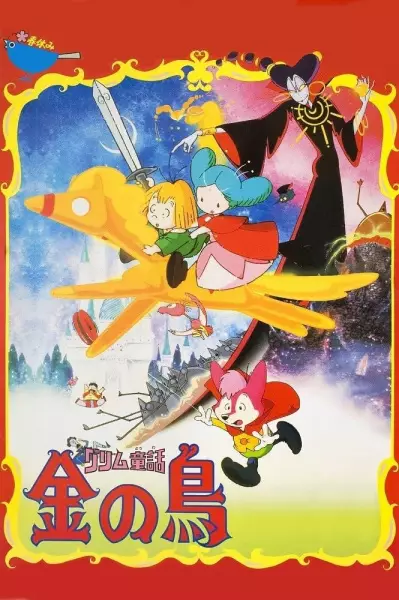

The Golden Bird
グリム童話 金の鳥
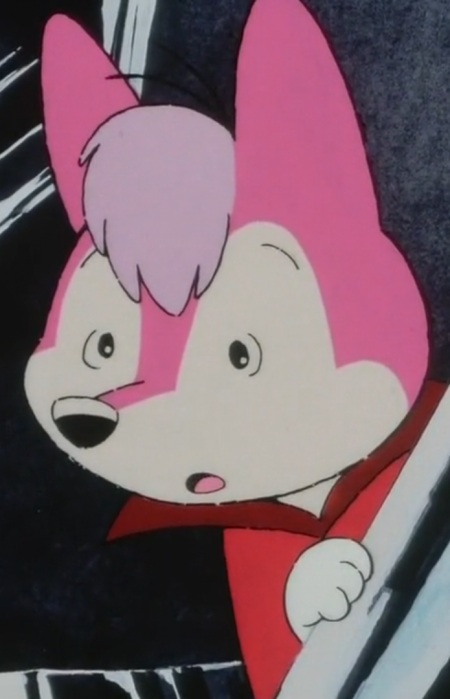
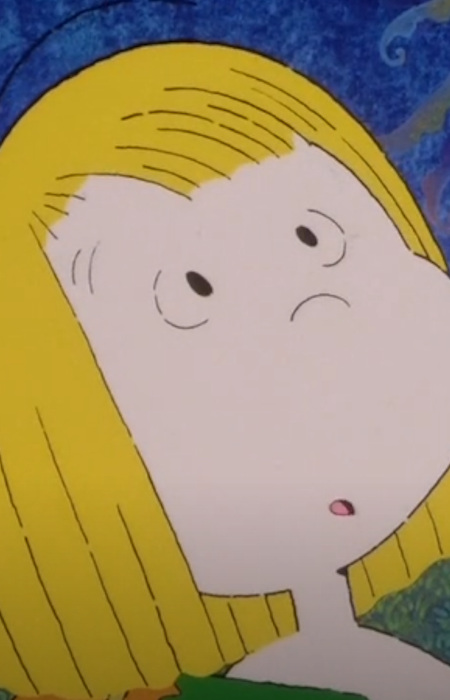
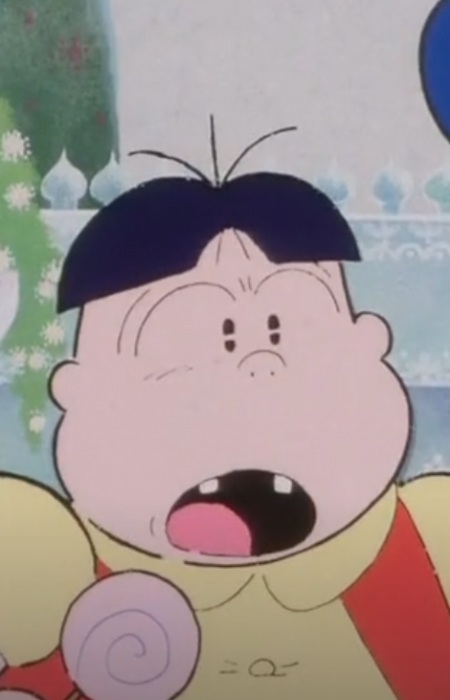
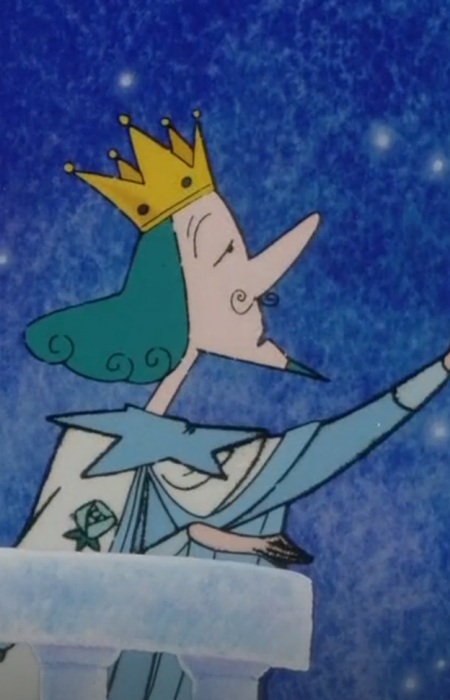
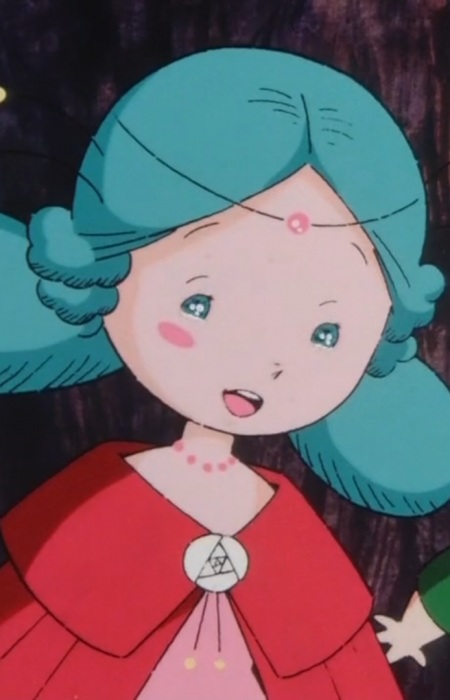
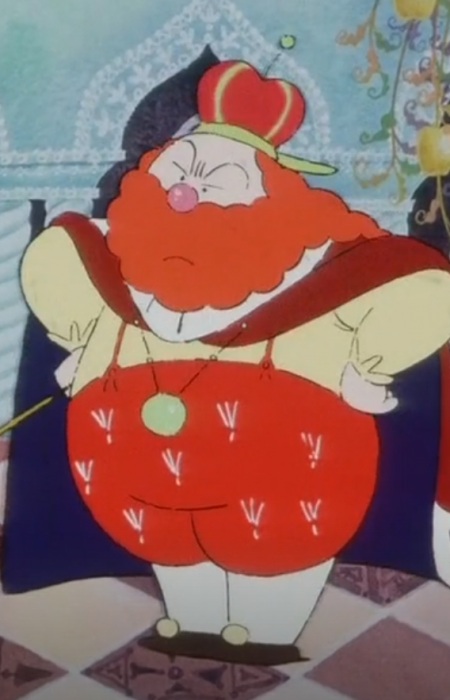
"Kin No Tori" is an adaptation of the homonymous fairy tale "The Golden Bird" by Brothers Grimm. A golden apple is stolen from the King's garden. The King orders his three sons to guard the apples in turn and to find out who is the thief. When the youngest son, Hansu, presents a feather that he got from the golden bird that stole the apple the king sends his three sons to bring this bird to him and so Hansu journey begins. Completed in 1984, this film was shelved for three years before being theatrically released.
Главный
Второстепенный
Второстепенный
Второстепенный
Второстепенный
Второстепенный
Второстепенный
Второстепенный
Второстепенный
rooster_
January 26, 2020
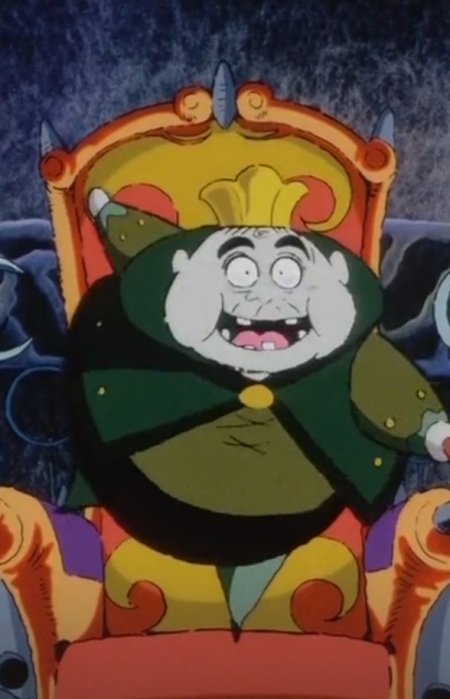
Kin no Tori is an animated adaptation of a classic fairy tale that was clearly meant to air for years on end via public-access TV, to the delight of children everywhere. Its visual inventiveness and zest for life shine through every colorful character design and gorgeous piece of scenery; much of it recalls the pastoral worlds that early Miyazaki was so fond of, such as on Future Boy Conan, Heidi, and Lupin III: Castle of Cagliostro. The atmosphere of a playful, dreamlike fantasy is absolutely fulfilled. Beyond its visual delights, it's a simple story by design, told without much fuss and leading to an excitingclimax. Aside from a comically over-the-top and somewhat outdated musical number by the main villain (which is very funny nonetheless), I found myself thoroughly enjoying Kin no Tori.
Gsarthotegga
July 11, 2022
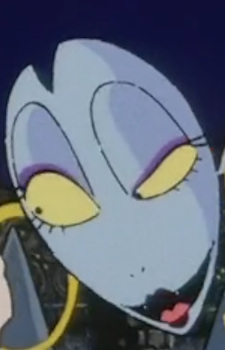
God, most of the Brothers Grimm fairytales were awful, weren't they? I mean, sometimes there were intriguing elements; a few grotesqueries that are almost always removed from the adaptations, as most of them are intended for children; these stories were pretty much skeletons for artists to add meat and flesh to, yet the telling is almost always too faithful. Artists are all too happy to just dress the skeleton up in a suit, paint its face and put on a clown nose, parade it around town, chuck it in the cellar closet once everyone gets bored, then call it a day! This adaptation compresses TheGolden Bird story in a way that's serviceable, kidifies it, and most of the story changes are for the better, though largely irrelevant and not worth recounting. One of the bigger referents for the art direction might have been the old Disney fairy tales—primarily some of the art of Eyvind Earle for Sleeping Beauty... otherwise, old fantasy and fairy tale artwork from the likes of John Bauer or Kay Nielsen. Shelved until 1984, finally being released in 1987, and, eh... I can kind of see why they weren't overly eager about releasing this, but at the same time it's solid enough and has worthwhile enough contributions to deserve being seen—it's just there's a constant issue of mismatch and mediocrity. After the opening cut of a bright glowing bird and abstract animation, followed with an atmospheric scene of a mist-cloaked tree, appropriately depicted using mystical tones for the music, my interest was piqued, but then we have scraggly cartoon characters running around flat fantasy art—some of which is very good... other times the characters and background art are simply too mismatched to maintain immersion. It's not altogether bad. I'm sure kids would enjoy it. Lulu, the fox, is a fun character, the cats are good henchmen, even the bird is charismatic as a drunkard, there's decent character animation for the childish character art, and the animation is often solid, though I wouldn't say there's much in terms of the style that makes it a must watch, though with a few exceptions... The battle scene with the tin knights is more rousing than most of what precedes it, even if the guitar music is poorly chosen at the end, and the flow continues when the massive tin knight chases the heroes, but the only scene that was truly phenomenal was Atsuko Fukushima's key animation for the boy and girl riding on the golden horse. The whimsical yet technically meticulous animation, the sense of perspective, the color and lighting, and really everything about the scene is a great example of the power of animation. I'd say it's worth watching for that reason alone, but you'd be better served checking the choice bits on Sakugabooru or YouTube. Almost everything that I really liked was on the former. Most of the best parts are from Fukushima, and the witch gets some of the very best scenes in general, including the psychedelic segments of the pointless musical interlude. One other standout scene is the cutesy moment when the kids ride the horse through the sky. I really have to say that musical numbers are one of the great sins one can commit in art. The first song was bad, but at least it had quirky animation and was edited well. You can see the budget tank on the second musical bit when the boy meets the princess and falls in love. They are literally stills we're presented with. If you had an artistically gifted kindergarten student, you'd lovingly append these to your refrigerator and be proud to show it off even to art teachers, but you still probably wouldn't put them in your animated children's film.
#6240
Популярность
#11262
Участники
2,942
В избранном
7
Эпизоды
1