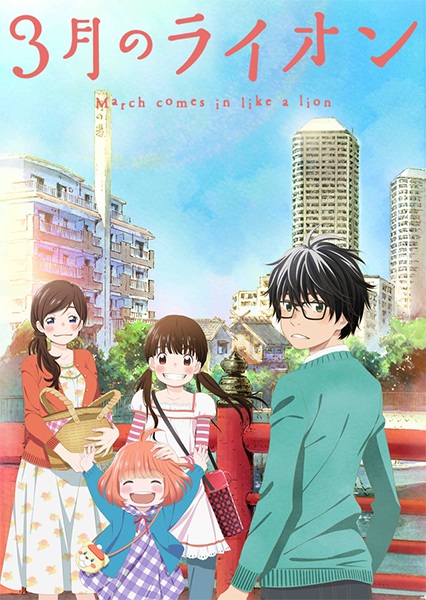
Showa Genroku Rakugo Shinju
昭和元禄落語心中
Yotarou is a former yakuza member fresh out of prison and fixated on just one thing: rather than return to a life of crime, the young man aspires to take to the stage of rakugo, a traditional Japanese form of comedic storytelling. Inspired during his incarceration by the performance of distinguished practitioner Yakumo Yuurakutei, he sets his mind on meeting the man who changed his life. After hearing Yotarou's desperate appeal for his mentorship, Yakumo is left with no choice but to accept his very first apprentice. As he eagerly begins his training, Yotarou meets Konatsu, an abrasive young woman who has been under Yakumo's care ever since her beloved father Sukeroku Yuurakutei, another prolific rakugo performer, passed away. Through her hidden passion, Yotarou is drawn to Sukeroku's unique style of rakugo despite learning under contrasting techniques. Upon seeing this, old memories and feelings return to Yakumo who reminisces about a much earlier time when he made a promise with his greatest rival. Shouwa Genroku Rakugo Shinjuu is a story set in both the past and present, depicting the art of rakugo, the relationships it creates, and the lives and hearts of those dedicated to keeping the unique form of storytelling alive. [Written by MAL Rewrite]
Main
Main
Supporting
Supporting
Supporting
Supporting
Supporting
Supporting
Supporting
Supporting
ZephSilver
April 1, 2016
When I sat down to write this review I had a hard time condensing my feelings towards it into written format. This wasn't to say the story was complex; on the contrary, it was rather straightforward on paper. But when I tried to articulate my thoughts to virtual ink, nothing came to fruition. Then after I sat back and let everything that had transpired sink in, it just hit me, a simple word, yet one that was able to properly express the feelings that I had wadded up inside for this title. Simply put, Shouwa Genroku Rakugo Shinjuu was poetic. From the way it delicatelycrafted its narrative, to the organic transition in which its characters found their placement in it, everything Shouwa Genroku Rakugo Shinjuu did flowed like a poetic stream of unfiltered consciousness. This anime exuded an aura of refinement and class that you don't come across often. It's a caliber quite deserving of the praise directed at it. In place of the spastic eccentricity and bubblegum characters commonly found in the world of anime, we're given a tranquil environment and genuine human emotion. Shouwa Genroku Rakugo Shinjuu is a title that unveils a compelling story about flawed characters and their pursuit for true acceptance. If I could get just one other person to experience and spread the word of this gem, then my writing this was more than worth it. Delving into the world of Shouwa Genroku Rakugo Shinjuu, or Shouwa, as I'll refer to it going forward, we're introduced to Yotarou, a dimwitted bushy-tailed man who's fresh out of prison. Having a deep yearning to practice and perform Rakugo, a Japanese form of verbal entertainment that's essentially stage storytelling, he seeks out an apprenticeship under the guidance of Yakumo Yuurakutei, a man well renowned for his performing prowess in the field of Rakugo. Despite what this initial premise would have you believe, the story isn't about Yotarou's journey under apprenticeship; in actuality, it chronicles his master Yotarou's life, along with his friend Sukeroku, as it showed how they dealt with the demanding requirements of the Rakugo industry, as well as the growing pressures that come with adulthood. Taking us back to his childhood, Yakumo "Kikuhiko" Yuurakutei places us at a time just before the boys met. And from then on the story blossoms on its own before coming to an inevitable stop due to an incident that's discussed during the initial episodes. While both boys found themselves in the world of Rakugo under similar circumstances, their relationship with the performing art itself differed vastly. Their relationship dynamic has been seen before: the polar opposites who don't see eye to eye. Yakumo's ying to Sukeroku's yang. The fundamentals of the story itself aren't what are impressive, but rather the manner in which it goes about executing it. Instead of simply following the standardized method established for this kind of narrative, we're instead thrust into a more introspective realm, with Yakumo's reminiscing in the form of a Rakugo itself. It's essentially a story within a story, which, on paper, sounds like a muddled mess, but oddly enough felt like the most organic method of absorbing the characters and viewer into the head-space of the tale. The Rakugo art form isn't only exemplified, but it's also utilized on a grand scale to encompass everything surrounding it. It's a form of immersion rarely experienced, basically the Inception of anime storytelling (And here we are, a review about a story, about a story, that contains stories... let's just leave that mindfuck alone). Everything that shapes the life of the zen-like Yakumo that we met in the first episode, to the reserved boy we meet in the past, all revolves around the influence of Rakugo, both on and off stage. We're given a detailed insight as to how this traditional Japanese storytelling works, as well as the lasting impact it left on the two boys that grew up to master it. What made this anime so engaging was in the way it went about layering these characters. Nothing is ever explicitly stated outright. Everything from the small mannerisms they display, to the introspective moments that draw no attention to themselves, as well as the way in which they interacted with each other, all helps to add layers to the characters on screen. It's "show don't tell" at its finest. And as their upbringing and personality shape the type of Rakugo they performed, it also shaped what kind of person they ultimately became. In a way, it could be said that an individual's style of Rakugo indirectly reveals the kind of person they secretly are. It's a window into their soul; as saccharine as that statement may sound, there's no better way to describe it. With Sukeroku, what was outwardly presented in his performances was the common tongue of the people. With a brash and often schmaltzy performance, he didn't care for the social constructs that the world of Rakugo wanted to build. He did it to make the people happy. And just like his style would outwardly portray, his Rakugo revealed what was truly lying dormant within him. The same also applied to Yakumo, a man who always tried upholding himself to a high standard, following the guideline of Rakugo to the letter. He too was exposed by his style of Rakugo. Rakugo provided the duality that neither would dare reveal out in the open. Like I said, it's simply poetry, a dance between what is shown and what is truly meant to be seen, or rather what is meant to be uncovered. These characters are deeply flawed but made all the more realistic because of that. They're selfish, pigheaded, condescending, but also broken, affectionate and just looking for a place they belong. There's no antagonist here, just entangled personalities trying to find their way. Outside of the two male characters, another character worth mentioning was Yurie, who is without question the biggest catalyst who drives the actions taken by the two male leads involved during the show's more personal moments. She's a character whose environment and past experiences did far more than mold her; they broke her. Like the others involved in the story, she masquerades herself as someone who's in control. And it's her need for co-dependence that creates a rift that ripples throughout all crucial events in the story. Seeing that her involvement is integral to many of the major events throughout the narrative, I won't say anything more about her involvement. Just know that without her, many of Shouwa's more poignant moments wouldn't have exfoliated into the scenes that we were gifted with. Like the art of performing Rakugo itself, the story also manages to perform and balance a vast array of tonal shifts throughout the narrative without feeling forcefully steered in directions. This, as a result, allowed for comedic scenes to transition seamlessly into sobering reveals without causing any tonal whiplashes. And in a story that revolves around the delicate balance between stage performances and real life drama, that balance was greatly needed. The project was handled by studio Deen, which by anyone's account, is a scary thing, given their track record, but with Shouwa they actually stepped their game up. The movements and gestures of the characters showed great range and fluidity, which is a vital thing for a show that's revolved around the mannerisms of stage performers. No noticeable shortcuts were taken, and the finished product looked quite pleasing. The opening and ending themes were excellent, with the intro song "Usurai Shinjuu " by Megumi Hayashibara, carrying a sort of sultry/smoky jazz appeal to it. The ending theme also held up on its side with a soothing soft trumpet piece that gently set things off on a tranquil note. In many ways Shouwa acts out like a Shakespearean play, in that regardless of time period or societal upbringing, the messages it explores are primal and very much a part of what it means to be human, may that be the yearning for love and acceptance, malice born from envious desires, choosing to follow gut instinct instead of rationality or just forming bonds with others for mutual benefit. Shouwa unveil these layers of human pathos in a way that invokes authentic sentiments. This anime sets a benchmark that many would have a hard time following. Enjoyment: 9/10 This show was easily the most engrossing seasonal title I've watched from the 2015/16 lineup so far. It left an impression that so few have and had some of the most realistic anime characters I've seen in recent memory. This easily became a new favorite of mine. Overall: 8.5/10 If there were ever a dark horse for the 2016 Winter season, this title is it. Sadly overlooked by many, Shouwa Genroku Rakugo Shinjuu is a show that quickly ushered you out of the cold and into the warm embrace of its heartfelt narrative. The more time you spend with these characters, the harder it became to say farewell. This might not be for everyone, given the slower pacing and absence of anime tropes associated with the medium, but for those who want something more than the usual offerings expected, I cannot suggest this enough. It's truly a work of art.
Yotarou is a former yakuza member fresh out of prison and fixated on just one thing: rather than return to a life of crime, the young man aspires to take to the stage of rakugo, a traditional Japanese form of comedic storytelling. Inspired during his incarceration by the performance of distinguished practitioner Yakumo Yuurakutei, he sets his mind on meeting the man who changed his life. After hearing Yotarou's desperate appeal for his mentorship, Yakumo is left with no choice but to accept his very first apprentice. As he eagerly begins his training, Yotarou meets Konatsu, an abrasive young woman who has been under Yakumo's care ever since her beloved father Sukeroku Yuurakutei, another prolific rakugo performer, passed away. Through her hidden passion, Yotarou is drawn to Sukeroku's unique style of rakugo despite learning under contrasting techniques. Upon seeing this, old memories and feelings return to Yakumo who reminisces about a much earlier time when he made a promise with his greatest rival. Shouwa Genroku Rakugo Shinjuu is a story set in both the past and present, depicting the art of rakugo, the relationships it creates, and the lives and hearts of those dedicated to keeping the unique form of storytelling alive. [Written by MAL Rewrite]
Nervin
April 1, 2016
It is truly fascinating of what people are capable of doing to survive in society, especially when you are basically abandoned by your relatives. A young boy who once aspired to be a dancer has no choice but to learn the art of Rakugo, a form of Japanese verbal entertainment in which the storyteller sits on stage while performing a complicated comedical story. Audiences may have had the impression that it solely focuses on the profession, yet this is not the case. At first it seems that it simply served as means of survival, but it becomes apparent that the journey throughout his life wasmore than just Rakugo: it is a tale of a flourishing and wonderful friendship, conflict and realization of oneself. The story of Shouwa Genroku Rakugo Shinjuu, or "Showa and Genroku Era Lover's Suicide Through Rakugo" in its english title, is focused around Rakugo and with that, the characters and their interactions. Instead of consisting of a simple story about the ascension of two performers, which it is to a degree, it is a character driven story that ties the lives of the various individuals implicated: Yakumo, Sukeroku and Yurie. The profession is merely used as means to develop and unfold the storyline, whilst portraying the art of Rakugo itself. It must be mentioned that the synopsis of the anime is as a matter of fact a bit misleading; it is focused upon the afore-mentioned trio, albeit showcasing Yotaro's interactions with his master. This however will probably developed in the second season. Another aspect that is prevalent in the anime is drama: it was depicted in a subtle manner, without exaggerating it, making it much easier to digest and enjoy. The pacing of this work is splendidly done, and very befitting, although it may seem at first sluggish and uninteresting to some. However, it becomes apparent that it is actually a necessary buildup to portray the characters relationship in a very satisfying manner. It is a journey that spans from their childhood to their puberty, culminating in their adulthood. It is a narrative ridden with little details, such as portraying subtly the daily interactions between the protagonists and the cast, or its setting, the 70's and 80's of Japan. Naturally, Rakugo is depicted as well in a satisfactory way: it shows viewers the difficulties of the profession, besides of the great stories contained within: it is simply delightful to listen to. In addition, it quickly becomes clear that world the protagonists live in is strongly favoured by those with status, rather than cunning. This reflects the society of that time rather well with the outdated mentality. Naturally, audiences may find the performing parts tedious, yet these are arguably rather amusing. The cast of characters in Shouwa is rather small, consisting of a handful of characters, yet it is certainly sufficient to portray the whole scope of this tale. As mentioned earlier, Shouwa is a very character driven story, and it excels in this department greatly. because of the gradual buildup that spans various decades, the characters were slowly fleshed out and developed accordingly to the changes these experienced - this was done through subtle interactions with their peers. The two main protagonists are Yakumo and Sukeroku, who have quite diverse personalities, which enhances the narrative. By the end of the show, audiences may have a total different view of some of the characters. Yakumo could be described a silent, cunning and self-containing character, yet from the inside insecure and delicate: it is marvelous to see his character develop through the various stages of his life, which includes the realization of himself. On the other side there is Sukeroku, a very charming and enthusiastic man, with a great talent and love for Rakugo, with no relatives. Character development and fleshing out of him is no exception either. The relationship between these two is very well-developed and presented to audiences, it is truly a tale of friendship. Another crucial character in the anime is Yurie: she is the gear that triggers the wavering interactions between the cast and the main protagonists - in fact, romance is another theme that is present in the anime. As character she may seem rather underdeveloped, yet through various scenes and interactions with her peers, it quickly becomes clear that she is not as shallow as she appears to be. Her life, profession and unrequited love are thing that drove this character forth. The romance can be rather lacking, as it came pretty abruptly and was not really well-developed, alongside the reason on why she fell in love. However, love is not often a rational reaction, so it may be excused in a manner; regardless, some more expansion on it could have been welcome. The studio behind Shouwa is DEEN, and the animation quality was well done, with very fluid motions. The character's movements when showcasing the performances were subtle and very detailed presented, conveying the art of Rakugo and how these are crucial for a good play. Facial expressions, sweat and similar traits managed to portray the various states of the cast. As for the art style itself, it has a slightly different take than the usual character designs which was enticing; the backgrounds were detailed, despite being composed mainly of internal locations. In some cases some inconsistencies could be found in the background characters, but this was negligible. Concerning the soundtrack of Shouwa it was befitting, albeit a bit startling at first with various jazz tunes, as it didn't seem to fit the narrative: nevertheless, it quickly becomes apparent that this used to its advantage to upheave the pacing and importance of each scene when required. Piano or violin compositions are used as well, depending on the atmosphere. The voice actors did a splendid job, the various personalities matching with the characters, as well as wonderfully portraying the different intonations required for the various situations, be it the emotional states or the Rakugo performances itself. As for the opening and endings, these consisted of jazz, and blues, while having a great representation of what Rakugo is. Shouwa Genroku Rakugo Shinjuu was overall a fantastic anime with a great story and characters, enhanced their interactions and the Rakugo. I was very surprised by the lack of attention this anime got - or rather, it is criminal. I throughly enjoyed this anime, in addition to the plays presented, which were quite intriguing at a personal level. Naturally, this may have been the main factor that have had viewers discontinue the anime, as it can be boring. Regardless, this is a necessary buildup for a great conclusion of the series. I want to mention the fact that viewers who expected a story focused on the difficulties after being jailed, will be let down, as this was not the case; however, audiences are rewarded with a great narrative. Moreover, a second season was announced which in turn may delve into said subject. I highly recommend people who like drama, or character driven stories to try this piece out. Thank you for reading.
CodeBlazeFate
January 15, 2017
*Despite both the title, and the first episode spoiling the show in heavy detail, there is so much here to unwind, that I cannot bear not giving you the classic SPOILER warning. Please, watch the show if you haven't; I implore you to do so. For those who have (or those who don't care about spoilers), let's move on* Art is a powerful thing. It has the ability to captivate an audience, entrance them in a new idea they never thought of, enamor them into a sight that marvels them. There are so many types of art: paintings, drawings, stories, videos, games, and even music. Allof these things can enamor us now, but back before even the late 20th century, we didn't have videos or games (aside from maybe betting games and sports). Nowadays, not only do we have all of these things, but we can literally combine all of these. Animation is the ultimate tool for doing so, with the only thing surpassing it being interactive visual novels that can actually be played in the sense of more than just a story we control: like say, a fighting game with a visual novel story (like Blazblue). Nonetheless, we're getting horrendously off track. Earlier, I mentioned stories. There are so many kinds of stories to tell, especially in anime... You can tell an epically expansive and complex narrative like Legend of the Galactic Heroes. You can tell a charismatic, absurd, and dramatic thrill ride with twists and turns around every corner, like Code Geass. You can tell an exciting and inspirational story to get our blood pumping, like Gurren Lagann. You can create a work that heavily celebrates a franchise, like Carnival Phantasm. You can tell a grippingly dark and tragic tale to remind the audience that not all good stories have to have happy endings, like Fate/Zero and its second season. You can tell a charming and lovable story mixing many ideas you'd never have seen working, like Macross. You can even tell a down to Earth, realistic story that celebrates a concept we love, like Shirobako. Or, you can be like today's anime, Showa Genroku Rakugo Shinjuu, and tell a charming, gripping, down to Earth, and realistic story that celebrates the concept of art -a concept we love- that happens to be a dramatic and sort-of inspirational thrill-ride that has a complex narrative (well, more so than many of us think). It's the best of all worlds, really. Episode 1 shows us a reformed criminal (Yotarou, his new stage name) inspired by Rakugo so much that he tries to find the master who showed it to him, with hopes that maybe said master will take him in. We follow his escapades of being introduced into the world of Rakugo at its truest, while being fed crucial information about the residents (namely, a girl named Konatsu, who hates the old man) and their lives so that Yotarou doesn't accidentally strike a horrible nerve. His former boss shows up and tries to encourage him to take up crime again, but to no avail, especially after seeing Yotarou's performance, After almost being expelled (well, more like he was expelled and reinstated), the master tells him and Konatsu about his past which led to where we are today, in a realistic and down to Earth story that unfolds as he narrates. Hell, we get to spend the rest of the series joining the fun. The old man, who is now the 8th generation Yakumo, was originally known as Bon (so, for the duration of the review, I will address him as such). After a fateful meeting with Shinn (soon to be known as Sukeroku, and I will call him as such for now), they get taken up by the 7th generation Yakumo during boyhood, and we follow the dramatic and eventually tragic tale of these two men and their journey through their Rakugo careers. Bon had to say goodbye to a girl he was dating, and Sukeroku started drinking. Their careers have shown them to have notably different styles, and while Sukeroku has his perfected, Bon still doesn't know how to take advantage of his. Soon, Sukeroku and 7th Yakumo are forced to leave for the army; World War II has started. He, his master's house attendant, Matsuda, and the master's wife, are forced to wait patiently, without much hope. Soon, he meets a beautiful (and I mean BEAUTIFUL) girl named Miyokichi, and it seems like things are going smoothly again. Then, the two men arrive back, and now both Bon's and Sukeroku's careers can truly take off. Inspired by how much of a "tightwad" Bon is, Sukeroku's latest Rakugo piece is a story about a tightwad's dream. There is soon tension not only between the two boys, or even between them (especially Sukeroku) and the Rakugo Association, but between Bon and Miyokichi. The middle of the series is about how all of these tensions truly spiral out of control, causing Sukeroku to be expelled after being denied the rank of Shin'uchi, Bon to break up with Miyokichi, and the two boys to make one last promise and then split up on unhappy final terms (part of those terms being Sukeroku and Miyokichi leaving together); it's a dramatic turn for everyone's lives. Soon, after the 7th Generation Yakumo has a heart attack, he reveals an underlying reason why he would never pass down the Yakumo name to Sukeroku: he was the second generation of the Sukeroku who was his rival back in his youth. Dying with that one regret, Bon is forced to take up the name Yakumo. His friend, Matsuda, soon loses his wife, and Bon goes to find Sukeroku, only to discover that Sukeroku has a child named Konatsu (Are those signals flaring yet?). He soon reunites with Sukeroku only to discover that he has lost his drive for Rakugo thanks to his wife Miyokichi, who has recently ditched him and their child, probably out of resentment for their love of Rakugo and Sukeroku's refusal to move on to a new career. After some time, they prepare one big Rakugo performance (which happens to be rather inspirational to Sukeroku despite him being the one to perform it) despite Rakugo heavily declining in popularity after the war. Hell, news of this got Miyokichi to show up, now that Yakumo has cone back. In a truly tragic and impeccably told scene, Sukeroku and Miyokichi hang off a cliff after some heartfelt words by all of them spiral into their emotional climaxes, with Bon trying desperately to save them. Knowing that Bon will only die with them if he tries to save them, he falls with his wife, resulting in Shinjuu, meaning lovers' double suicide. Now, Konatsu is all alone, thinking that Bon is responsible for all of this...and he kind of is; he knows it to be true. After all, he let Miyokichi's parasitic desire for love spiral out of control when he chose his career over her, and he couldn't stop his friend from leaving with her, and he sure as hell wasn't capable of saving them after everything. Still, it's not all his fault, especially since it was Miyokichi that caused all of this to happen, especially with what happened to her and Sukeroku in the end. Bon was the one that caused her to really go haywire, but she basically took care of the rest, resulting in this tragedy. We head back to the present, or rather, a few years after we last know the present. Yotarou has become a shin'uchi, Bon continues his life as the 8th Yakumo, Konatsu is now a single soon-to-be mother (with Yotarou volunteering to become the husband to take care of the child), and we are treated to Bon visiting Sukeroku's grave, in which the ghost appears in front of him, as if to tell him something. Yotarou goes to him and requests to take up the name of Sukeroku, and now he and we get what that ghost scene meant. Thus, the story ends for now, with Yotarou closing us out and teasing us about an eventual season 2. The story is impressively written, without any leaps in logic or holes, and with one impressive prequel narrative. On its own, it would be a 9 for being great but not reaching extraordinary high. Then, we take the Rakugo stories into account. With one exception, every single Rakugo performance that is played from beginning to end has some meaning to the character that performs them, and most of them have pretty heavy meanings. When Yakumo played the story of the bumbling crook, that really represents him (in which his former boss points out to Bon). When Bon plays the story about Shinjuu, it ends up happening to his friend (Sukeroku) and his former lover (Miyokichi), which he is deeply affected by. When Sukeroku plays the one about the fisherman and the girl, it probably is due to him constantly talking about girls (along with booze) and bringing them over in the earlier parts of the series. Finally, I'm not sure what the Shinigami one means to Bon (who performs it several times), but season 2 looks like it's gonna reveal that to us, especially after this season hyped it up. When we see any of these 3 major Rakugo performers get to play their work from beginning to end, it always has some meaning in their lives, whether they be then or in the future, making things a lot more complex than many of us may have realized. They are surprisingly funny, making this art-form much more charming and charismatic than we anticipated before seeing those performances. There is an impressively strong cast of characters in this amazing show, some of whom are almost as realistic as the characters in Macross Plus, which sports easily the most realistic anime characters of all time. Side characters like Matsuda and Yuurakutei are still great additions to the main few with their hinted-at personal lives and fun personalities, and Konatsu has quite a lot of understandable personal baggage given what happened to her parents, that you can understand why she can be a total emotional ass. Yotarou is a funny yet truly dimwitted decoy protagonist (who'll get his time to shine in season 2) who acts very similar to Sukeroku. Well, with these guys out of the way, onto the tragic trio this season of Rakugo centers around. Yakumo is rather stingy and cold, conflicted about his feelings towards Miyokichi and his career, who loses everyone he cared about (except Matsuda). He is the centerpiece of this tragedy, and at least some of the unfortunate things that unfold were due to either his mistakes or his inability to calm an impossibly bad situation. Despite being pretty cold and assholish -often to great comedic effect- his struggles are definitely real: trying to find your own true form of expressing your passion and trying to balance your career with your social life and relationships. He, while passionate about it, mainly does it for ends meat (convenient given that he overall loves this medium). When the tragedy hits in episode 12, it hits him especially hard and we can easily sympathize with him for what he failed to prevent. Thus, he lives on for a career that he has long since lost the true drive for. Sukeroku is a man-child; he is a free-spirited, irresponsible, slob-like, drunken, and actually arrogant individual who only truly cares about his passion for Rakugo and how he entertains the people with it, Bon, and eventually Miyokichi and their child, Konatsu. He often gets drunk and talks about girls. He complains at the demand for him to be responsible, more than I do. His success in Rakugo makes him too cocky and ambitious, with the latter causing chagrin amongst the higher-ups, and the latter proving to be his downfall in episode 9. Still, his mindset is what I agree with personally: art should be for the people; art should be there to enrich the people's day and enthrall them, making them appreciate and enjoy your work. Sucks that he has to die without being reconciled with the Rakugo Association, for his Rakugo was entertaining as hell. Miyokichi is quite a broken character. Forced into prostitution just to make ends meet after her family died, she has been burned by relationships with men so many times that she somehow grew dependent on a proper and loving relationship with a man, to a parasitic degree. This lovely lady had to struggle with the fact that Bon grew more detached with her, and after he cut the relationship off, she not only started hanging with his best friend (because that is clearly a good idea in real life) but grew to love him out of desperation. Her resentment for Rakugo broke her new family apart and is the crux of why she and Sukeroku died. Shame, really. I'd love to have seen everyone's story in even further detail. If you're at all familiar with Studio DEEN's track record over the past 11 years, you know how dicey their art quality is and how hit-or-miss their adaptations can be, especially concerning their work on Fate/Stay Night and Unlimited Blade Works. While they also worked on Konosuba during the season this show came out, this show looks so much better on account of overall polish, character designs, and attention to detail. The little things like those bells with tags on them, really add this amazing touch to the world, and the character designs are pretty good if you ask me. There were very few slip-ups here, too. The phrase "visual poetry" is a term that is not meant to be thrown around lightly. However, this show deserves it. Masterful directing from the dialogue to the way scenes are structured. The scene in episode 9 where Miyokichi tells Bon that she'll see him in hell, is portrayed so majestically, that you can't help but marvel. The OP is visual poetry at its finest. While almost nothing moves, the sheer symbolism and craft put into it make it a feast to look at, not only for its unique and culturally traditional look, but for how much meaning is packed into almost every shot. This is further emphasized when they revoke it for episodes 11 and 12 but put it back for episode 13 now that you know literally everything the OP actually showed you due to what you just witnessed. Studio DEEN deserves to be commended for their work on this series. While not many of the songs in the background OST truly stick out or me to the point where I actively try to hunt them down with exception of the glorious track "Sukeroku" (though I centrally did try), the blaring and jazzy tunes set the stage perfectly, and every piece is used to excellent effect, like the two major scenes in episodes 9 and 12 that I referred to multiple times. As for the OP, Usurai Shinjuu, by Megumi Hayashibara, is quite the catchy and jazzy tune as well, making me snap at every beat while gawking at what the visuals of the OP display. The ED, "Kawa, Taredoki", by Kana Shibue, is actually without any lyrics, and is a relaxing song that's a perfect way to calm us down after many of these episodes force us to endure these highly dramatic scenes. Sure, It's not highly memorable, but it gets the job done. Art is an expression. Stories are expressions. This show is all about an expressive form of entertainment. When an entertainment and story-driven fictional medium like anime truly takes off, there will always be those who try to evaluate individual installments to the medium, and those people, including myself, are called critics. Critics have a very mixed reputation and are sometimes looked as stingy buzzkills who relentlessly shut down these entertainment pieces. However, while we often do take part in that, we find it especially fun to cherish stories that manage to mesmerize us so much into an impressive new world and plot. This show cherishes the art of Rakugo, and shows us many perspectives on how an artist (of any kind) approaches his or her art, and, along with the great story and impressive way it's told, this is something us critics love to see. We can get more passionate about these stories more so than most people do, so seeing works like this, really refreshes us. In fact, that's the perfect word to describe this show: refreshing. Can you name a single other anime that showcases the art of Rakugo? Can you name many anime where the characters often wear robes? Can you name a drama that is told like visual poetry? No one can, at least in this point in time. Not every work of art is original or done with the people or the art in mind. Some art is made for the cash, and those works are often what us critics bash (like Mahouka, The Asterisk War, and so...so many others). The medium is chock full of this stuff. Hell, all entertainment mediums have failed ambitious projects and projects that were made with cash in mind rather than quality or ambition. That's what makes works like this so refreshing to us. Well, that's enough rambling for now. Thank every single one of you that ever liked any of my reviews. I would've never made it to making 50 of these if none of you cared about what I make. This review has been a lot more personal than I thought, but with a special milestone review, comes a special title that truly needs to be discussed, like this one. Well, with all that said, I bid you adieu. Here's shooting for 100.
Cauthan
April 2, 2016
(This is a spoiler-free review adapted for this site) [Synopsis]: After his release from prison Yotarou (Seki, Tomokazu) seeks an apprenticeship in Rakugo from Yuurakutei Yakumo (Ishida, Akira), a renowned master of the art who was known as Kikuhiko in his earlier years. After some coercing the elderly master accepts him as his first pupil and through Yotarou’s personality and the style of his developing Rakugo, Kikuhiko is reminded of somebody from his past. Shouwa Genroku Rakugo Shinjuu is the story of Kikuhiko’s upbringing alongside his friend and fellow apprentice Sukeroku (Yamadera, Kouichi) and how their relationship with Rakugo and each other shaped their lives. [Characters]: Where bettera place to start discussing Shouwa Genroku than with its phenomenal main characters alongside their almost equally incredible supporting cast. Due to the overall strength of the show it is hard to say whether or not its characters are its greatest accomplishment however I think it is fair to say they are its most integral element. The show hosts a great many carefully developed personalities even among its less important cast members and the way it weaves complicated sentiments and emotions together is not only believable but genius. What at first manifests as something as simple as animosity quickly transforms into a mixture of respect and admiration all the while mingling with biting jealousy – the way in which Shouwa Genroku’s characters behave is intricate and conflicting and subsequently are the characters themselves. The protagonist of the show, though he does not truly appear until the second episode, is Kikuhiko who is a wonderfully compelling character. While at first he dislikes Rakugo because his tutelage under the 7th-generation Yakumo master represented the end of his previous desire to be a dancer, he steadily grows to enjoy performing it over time. He attempts to find his own voice within the medium, competes for recognition and improvement against his friend Sukeroku, and at times feels like he is wasting his time entirely in Rakugo yet proceeds none the less in a manner than can only be described as extraordinary organic. Kikuhiko, along with the rest of the cast, is fantastically authentic as a character and watching them all play off one another is both immersive and entertaining. It is also worth noting that, while Ishida Akira is a voice acting legend by this point, I believe his performance in this role to be his best work by far. The subject matter of the show and its many Rakugo presentations require a very artful and diverse approach and he delivers an absolutely stunning performance. Sukeroku is a similarly outstanding character who’s characterization further emphasizes the complexities at play within Shouwa Genroku’s cast. Kikuhiko is introverted, self-conscious, and unsure of himself while Sukeroku appeares effortlessly talented yet wild and carefree almost to the point of his behavior becoming hazardous. The two men couldn’t be more different yet they find common ground time and time again not only through their shared love of Rakugo but in other aspects of their lives as well – their relationship is the dramatic meat of the show and it measures up to the emphasis placed upon it by the show in excess. In the end, practically every notable character in Shouwa Genroku is memorable. Roles that may have been left undeveloped in other shows are explored excellently through the subtext of the show’s character interactions and dialogue rendering the entirety of the show’s cast meaningful and interesting rather than solely its powerhouse main characters. People are rarely black and white, they are conflicted and volatile – susceptible to changing in each mood and meeting and Shouwa Genroku illustrates this perfectly. [Art/Animation]: The name ‘Studio Deen’ over the years has effectively become synonymous with art and animation issues due to frequent quality drops and problematic adaptations throughout their history. That being said, I almost find their past missteps entirely forgivable in the face of Shouwa Genroku’s incredible visual delivery. Not only is the art style crisp and consistent but it is particularly interesting because of its imaginative use of colors, expressions, and character motion. The aesthetic of the show is highly reminiscent of shows like Aoi Bungaku which is wonderful for establishing a very authentic-feeling setting. At premise the idea of Rakugo presents more of a problem than anything else – the orator is practically immobile when telling their story and the length of many of the classic Rakugo narratives means that the situation will be prolonged for quite a while. How then do you make Rakugo visually compelling to watch beyond merely the character’s performance? Deen answers this question brilliantly in a number of ways, many of which showcasing the strength of the medium in regards to exhibiting these performances. The expression work for one fits very well with the idea of a single character portraying multiple roles within Rakugo – the shift in character expression is one of many telltale signs that the orator is switching between characters and the show’s diverse selection of expressions makes these portrayals all the more impressive. The imagery of the show surrounding its Rakugo elevates its visuals to the next level. Using shot reverse shot of a singular character further illustrates their swapping of roles however this technique is used sparingly enough as not to become one-dimensional or corny. The close-up shots of the character’s expressions during the performance strike a great balance between the slew of differently personalities being performed and the actual mood of the performer. Seeing Kikuhiko and Sukeroku bleed through in their performances without dropping character is brilliantly balanced. Lastly, the show makes use of fictional imagery to accentuate the legitimacy of the performance. Light can be shone through a non-existant window when the character opens a door or peers outside and the environment surrounding the orator may change to different locations yet the performance remains cohesive. Shouwa Genroku goes beyond providing incredible visuals and tells the story in a way that could have only been done within the medium at hand. [Story]: The narrative of Shouwa Genroku is just as impressive as its characters and visuals and plays to its strengths by emphasizing its character drama. The pacing is slow yet never unexciting allowing for it to play out almost full Rakugo performances which are one of the show’s primary means of exhibiting character growth and change. The show itself is quite dramatic however the lighthearted subject matter and punchlines within Rakugo provide the show with excellent flexibility between the two moods. Alongside presenting highly compelling character chemistry and development Shouwa Genroku asks provocative questions through its narrative. Is an art form something lofty and objective or is it something that should cater to the pleasure of the audience? Do you protect tradition or do you venture something new and perhaps save the very art form you practice? Must you practice something in its original form even until it dies away or should you break its conventions and bring to it new life? These queries and themes are explored at length through the interactions and ideologies the show’s characters providing offering an additional intellectual element to the show’s already ingenious design. [Music]: Initially I felt that the music of the show was merely a backdrop for the fantastic setting and scenes transpiring however as Shouwa Genroku progressed its importance and effectiveness became more evident. While at first unassuming, the soundtrack drums up the pace of each scene. The atmosphere, the mood, the character’s internal thoughts – everything. The relaxed, jazzy influence of the music fits well with the pacing of the show, quickening and swelling at moments of tension or severity to accentuate the attitude of the scene. It is used sparingly and never overwhelms the show’s visuals, providing a fantastic juxtaposition that underscores the importance of each development. [Final Thoughts and Rating]: Shouwa Genroku is artistic, it is emotional, it is brilliant. Each component of its structure is as strong as the last and it tells a gripping story full of wonderfully written, complex characters set against incredible visuals. Though I made mention of Ishida Akira earlier the show features a number of outstanding vocal performances as its subject matter lends itself so well to the exhibition of that talent. Rating: 10 I gave Shouwa Genroku Rakugo Shinjuu a 10 because of its fantastic qualities across the board. Its characters were wonderfully realistic and compelling, the story being told was captivating, and the visual approach of the show was highly entertaining. While not without flaws the countless successes it enjoys far outshine any of its missteps. [Recommendations]: I would recommend Shouwa Genroku to anyone interested in character-dramas who aren’t turned off by methodical pacing. The comedy of the show comes secondary to the development of its characters and the drama of their interactions however the show does possess a certain carefree levity that might appeal to people looking for something relaxed yet upbeat.
literaturenerd
November 14, 2016
Overview: Shōwa Genroku Rakugo Shinjū is the first Josei demographic anime I’ve reviewed on this site. It was getting such rave reviews though that I decided to give it a try. This is a rather unique anime and certainly worth watching if you haven’t seen it yet! Background: So what on Earth is Rakugo? Rakugo is a traditional Japanese form of storytelling that is sort of like a combination between a 1 man play, standup comedy, and beat poetry. Rakugo can trace back at least as far as the 1200s AD in written form and perhaps as early as 900AD in oral form. The period of Rakugothat this story covers is right in the title, the Showa era. The Showa era was the reign of Emperor Hirohito from 1926 to 1989. Specifically, most of the story takes place before, during, and just after WW2. Plot and characters: The story begins with a petty convict named Yotaro being released from prison. Yotaro was able to survive and reform in prison due in part to the amazing stories and performances of his favorite Rakugo actor who went by the name Yakumo the 8th. Once released, Yotaro decided to find the elderly Rakugo master and beg to become his apprentice. It turns out that Yakumo, whose actual name is Bon, really isn’t a social person and had no interest in new apprentices. However, Yotaro’s youthful energy and enthusiasm reminds Bon of an old friend and Bon finally begins to warm up to him. The majority of the story takes place in a flashback showing the lives of Bon and his childhood friend Shin, who eventually takes the title Sukeroku the 2nd. Bon and Shin are quickly shown to be polar opposites, but nevertheless forge a strong friendship. Bon is an introverted traditionalist while Shin is a wildly energetic extrovert who wishes to take the art of Rakugo in new directions. However, Shin’s unorthodox style causes friction with the deeply conservative Rakugo guild. In order for Rakugo performers to get the best venues and good audiences, they need to suck up to the guild and get their approval. The guild will blacklist any bar or performance hall that allows a performer they don’t approve of. This tension between traditionalists and the need for art to expand into new territory is one of the key conflicts of the series. I don’t want to repeat the whole plot and spoil this series, so just trust me that the human relations, psychological drama, romance, and tension are all very well executed. This series doesn’t rely on any cheap tricks like shock factor or fanservice. It doesn’t suddenly pull a tragic death out of nowhere to cheaply jerk some tears. The only major deaths are forecast from a mile away and STILL manage to hit your feels like a truck! The concept of old vs. young, tradition vs. new ideas, constantly clashing and causing tension is always effective in storytelling because it applies to any age and society. It was effective in Turgenev’s novel Fathers and Sons for 1860s Russia, it applies to 1950s Japan, and it would apply to 2016 America. This series should also be praised for its complex and realistic characters. You the viewer get to feel like you know these characters and watching them interact is always a pleasure. Art and Soundtrack: The art by studio Deen of Higurashi fame and is pretty top notch. It also helps that this is a low action series, so not much is moving at any one time. This allows the artists to really focus on character art and backgrounds. The background music is often beautiful and the opening and closings are as strong as you could ask for in an anime that doesn’t have a massive budget. I have nothing to complain about here, so moving on! Flaws if any: To a Japanese audience this series is pretty flawless. Maybe it could be accused of being a tad slow for some, but that isn’t really an issue. What IS an issue for non-Japanese speakers is that roughly half the runtime of this series is listening to beat poetry that you won’t properly understand or appreciate. All of the subtle wordplay, puns, and nuance is completely lost in translation. The character drama and themes are wonderful when they are onscreen, but the Rakugo sections (which are PLENTIFUL) will quickly have you scrambling for the fast forward on your remote! Overall: This is a strong drama series that is one of the few “must watch” series of 2016 despite the fact the lengthy Rakugo recitals will likely scare away all but the most hardened of anime veterans. Reflection on the state of the anime industry and community: Just as Rakugo needed to adapt or face irrelevancy in the 1950s, the anime industry is in a tough spot right now. Sales are down, audiences are shrinking and dissatisfied, and studios are conservatively leaning on clichéd fighting Shonen and echii to carry the industry. However, the anime industry would also be in danger if they completely conceded to the will of a small but vocal group of online elitists. Believe it or not the n00b bashing, condescending elitist crowd can destroy a fandom as easily as stagnation. If anime studios simply churned out series like Showa Rakugo, a small group of online fans would be happy, but the anime industry would be doomed to financial collapse. I'm trying to say that of course you can enjoy unusual gems like this, but please don’t try shove them down the throats of your casual buddies offline. Experienced anime fans would be better off to champion a series like Berserk that can appeal to both longtime fans and newcomers alike. Showa is a great series, but I would feel irresponsible if I hyped this series without warning it isn’t for everyone.
Rank
#143
Popularity
#895
Members
312,871
Favorites
5,994
Episodes
13